


Views: 0 Author: Site Editor Publish Time: 2026-08-11 Origin: Site


Deciding between equipment types represents a critical capital expenditure for any manufacturing facility. This choice directly shapes your production floor efficiency. It also dictates your retail shelf appeal. You must weigh these factors carefully before investing. Both systems automate the filling and sealing process seamlessly. However, they serve entirely different production philosophies. One focuses on pre-formed premium presentation. The other targets high-speed rollstock efficiency. We will explore the vital balance between material costs, production throughput, and facility footprint. You will learn how to evaluate product positioning to make an evidence-based equipment investment. Analyzing the premade pouch vs pillow packaging machine helps clarify this complex operational decision. We will guide you through the technical and commercial realities of each system. This ensures you align your packaging line machinery perfectly alongside your broader business objectives.
Material Economics: Pillow packing machines (utilizing rollstock film) offer significantly lower per-bag material costs, whereas premade pouches require a higher consumables budget but deliver premium retail readiness.
Throughput & Speed: Pillow packing systems generally yield higher Bags Per Minute (BPM) for bulk runs, while premade pouch systems prioritize flexibility and complex seal integrity over raw speed.
Changeover Efficiency: Premade pouch systems often allow for faster SKU changeovers between different bag sizes and formats without the film-threading and tension-calibration waste associated with rollstock.
The Deciding Factor: Your choice depends on whether your operational priority is maximizing volume at the lowest cost per unit (Pillow) or maximizing product margins through premium packaging formats (Premade).
Selecting packaging equipment goes far beyond simple engineering specifications. It represents a fundamental marketing and operational alignment. You must match your machinery capabilities to your product positioning. A misalignment here creates bottlenecks on the floor. It can also dilute your brand identity on the retail shelf. Plant managers often focus strictly on technical metrics. Marketing teams prioritize aesthetics and consumer experience. The ideal equipment bridges this gap seamlessly. It satisfies both volume demands and visual requirements.
The premade approach focuses heavily on shelf differentiation. It caters to modern consumer preferences seamlessly. Brands often need products featuring resealable zippers, pour spouts, or stand-up doypack designs. These formats command higher retail prices. The perceived value easily justifies the higher initial packaging costs. Premium pet foods, specialty coffees, and organic snacks thrive in these formats. Consumers appreciate the convenience of resealability. They associate sturdy, well-printed stand-up bags directly alongside premium quality. This strategy trades raw speed for maximum shelf impact.
The pillow or rollstock approach focuses entirely on operational efficiency. It suits fast-moving consumer goods (FMCG) perfectly. Manufacturers use this method for portion packs, single-serve snacks, or bulk hardware items. High volume dictates the primary success criteria here. You need the lowest possible cost-per-pack to maintain margins. These bags do not stand up on shelves. They typically hang on pegs or rest flat in display cartons. The machinery converts raw film into finished bags at blistering speeds. This method maximizes factory output while keeping consumable expenses extremely low.
Understanding the mechanical sequence of a Premade Pouch Machine reveals its true value. The core mechanism follows a precise pick-open-fill-seal process. The machine pulls pre-manufactured bags from a storage magazine. Grippers transfer each empty bag through rotary or inline stations. Suction cups open the bag smoothly. Upstream weighers drop the product into the open pouch. Heat bars then seal the top firmly. Finally, the system discharges the finished package. Operators only handle finished bags.
This system offers several distinct strategic advantages. First, you experience zero film-forming scrap. The bags arrive already perfectly formed from your supplier. This eliminates calibration waste entirely. Second, it supports high-margin features flawlessly. You can run bags containing complex resealable zippers or premium multi-layer laminates easily. Third, these machines provide exceptional versatility. Facilities running high-mix, low-volume production schedules benefit immensely. You can switch between a small snack pouch and a large bulk bag quickly. Operators adjust the gripper widths in minutes. This minimizes expensive downtime during frequent changeovers.
However, implementation involves specific risks and limitations. You must plan for higher ongoing material operational expenditures (OpEx). Pre-formed bags inherently cost more than raw film rolls. Your supplier absorbs the bag-making labor and passes that cost to you. Furthermore, you face lower maximum throughput compared to continuous-motion equipment. The stop-and-go nature of pouch gripping restricts top speeds. Finally, the bag magazine requires consistent operator attention. A worker must manually load empty bags into the feed regularly. You can integrate automated feeding systems, but this increases your initial capital investment significantly.
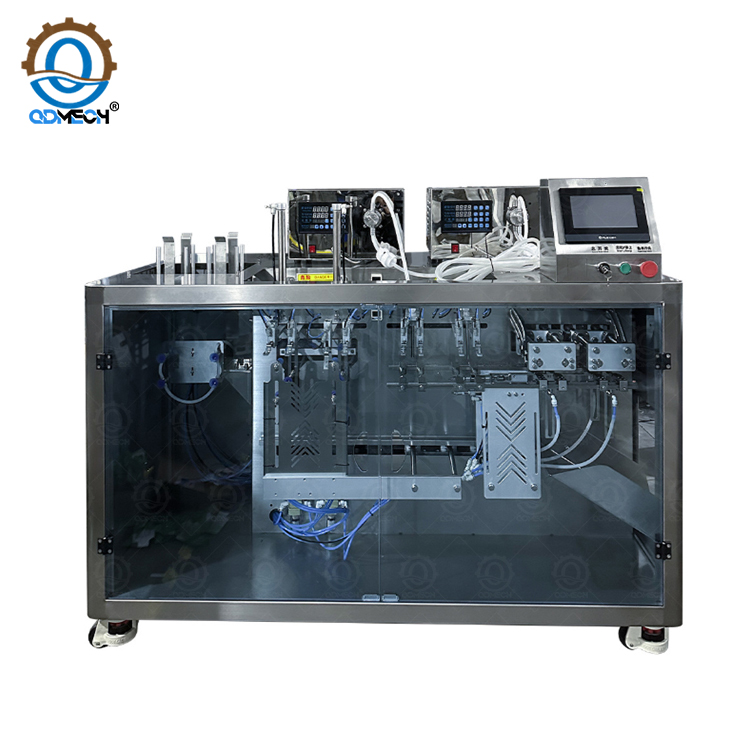
The Pillow Packing Machine operates on an entirely different mechanical principle. It relies on the Form-Fill-Seal (FFS) process. This continuous motion converts a flat roll of film into a tubular pillow bag instantly. The machine pulls the film over a forming collar. A vertical sealing bar creates the back seam. Upstream dosers drop the product down the forming tube. Horizontal jaws then simultaneously seal the top of one bag and the bottom of the next. A blade separates them. This creates a highly rhythmic, high-speed production cycle.
Strategic advantages center around massive cost reductions and raw output. You achieve a dramatically lower cost per package. Buying unformed rollstock film is incredibly economical. You form the bag yourself, saving substantial supplier fees. Next, you gain high-speed continuous output. These systems dominate snack, bakery, hardware, and single-use commodity packaging. The continuous web motion allows staggering production rates. Some units easily exceed 150 bags per minute. Additionally, you benefit from longer uninterrupted production runs. A single large roll of film yields thousands of bags before requiring replenishment.
You must also acknowledge the implementation risks and limitations. Standardized bag shapes lack premium shelf differentiation. Pillow bags rarely stand up independently. They offer minimal visual impact compared to rigid doypacks. Furthermore, machine calibration poses challenges. Film tension, web tracking, and temperature adjustments require skill. Incorrect settings lead directly to material waste (scrap) during initial setup or product changeovers. Finally, you sacrifice flexibility regarding complex closure systems. Integrating heavy-duty zippers into a high-speed continuous film web is mechanically difficult and often unreliable.
You must conduct a multi-dimensional evaluation before finalizing your purchase. Capital and operational expenditures form the baseline of this assessment. You must compare the upfront equipment cost against long-term material consumable costs. Pre-formed bags require less complex machinery upfront. However, they carry higher ongoing material expenses. Conversely, rollstock equipment might demand a larger initial investment for continuous-motion technology. Yet, the raw film costs mere pennies per unit. You must project these costs over a five-year production lifecycle.
Production speed, measured in Bags Per Minute (BPM), determines your daily output ceiling. You must map out realistic expectations based on your product characteristics. Upstream processing speeds often dictate packaging speeds. A fast bagging unit provides no benefit if your multi-head weigher cannot keep pace. Pillow systems generally win the raw speed category. Premade systems prioritize careful handling and precise sealing over velocity.
Scrap rates and material waste significantly impact your bottom line. You must evaluate the hidden costs of rollstock calibration waste. Threading a new film roll often ruins several meters of material. This adds up over hundreds of changeovers. Premade systems boast virtually zero forming waste. You only lose a bag if the seal fails or the product misses the opening.
Space and factory floor integration represent the final dimension. You must analyze your facility footprint carefully. Both systems require integration alongside weighers, metal detectors, and end-of-line cartoners. Vertical FFS machines utilize vertical space efficiently but require tall ceiling clearances. Rotary premade machines need wider floor footprints but fit under standard ceilings.
Evaluation Criteria | Premade System | Pillow / Rollstock System |
|---|---|---|
Material OpEx | High (Pre-formed bags) | Low (Raw film rolls) |
Production Speed (BPM) | Moderate (30-60 BPM average) | High (60-150+ BPM average) |
Setup & Scrap Waste | Virtually Zero | Moderate (During web calibration) |
Shelf Differentiation | Premium (Stand-up, Spouts, Zippers) | Standard (Flat, Peg-hole) |
Changeover Speed | Fast (Simple gripper adjustments) | Slower (Film re-threading required) |
Choosing the right equipment requires clear logical frameworks. You must match machine capabilities to your distinct business model. This ensures optimal return on investment. Do not buy excess capacity you will never use. Similarly, do not purchase a rigid system if your marketing team plans to launch new bag formats next year.
Consider the criteria for choosing the premade option. This path suits specific operational profiles perfectly.
You package high-margin goods like specialty coffee, premium pet treats, cannabis, or luxury cosmetics. The product margin easily absorbs the higher bag costs.
Your brand identity strictly requires stand-up pouches, specialized shapes, or user-friendly resealable formats.
You run multiple distinct SKUs daily. You need quick format changeovers to minimize expensive line downtime.
Alternatively, review the criteria for choosing the pillow packing option. This route maximizes efficiency for specific production models.
You package high-volume commodities such as potato chips, candies, bulk grains, or small hardware components.
Your margin structure demands the absolute lowest possible packaging cost per unit to remain competitive.
You operate dedicated production lines handling massive volumes. You execute minimal daily size changeovers.
Your next-step actions should focus on validation. Request formal equipment Factory Acceptance Testing (FAT) from your manufacturer. Send your specific products to their facility. Run material samples through their demonstration units. Observe the speeds and seal qualities firsthand before signing final procurement documents. This due diligence prevents costly implementation surprises.
Neither machine holds objective superiority over the other. Your choice hinges entirely on your product's margin profile and your facility's volume demands. We have explored how material economics, changeover flexibility, and production speeds interact. You must weigh these variables against your brand's retail strategy. Premium goods demand premium presentation. Bulk commodities demand relentless efficiency.
Choose pillow packing for high-speed, cost-effective scaling across bulk commodities.
Choose premade pouch machinery for product premiumization and high-mix format flexibility.
Always test your actual product through the machine before finalizing any purchase.
We highly recommend consulting directly with a packaging integration specialist. They can conduct a specific throughput analysis based exactly on your product characteristics. Take action today to audit your current line speeds. Compare those metrics against your projected growth targets to find your ideal solution.
A: Pre-formed bags cost significantly more than raw rollstock film. Suppliers manufacture, fold, and seal the premade bags before shipping them to you. You pay for this extra manufacturing labor. Rollstock film costs mere pennies per unit because you handle the forming process directly on your own production line.
A: True hybrid machines are incredibly rare and highly complex. Mechanical limitations make switching between continuous film-forming and discrete pouch-gripping impractical. Industry standards dictate using dedicated machines. Dedicated systems ensure higher reliability, better seal integrity, and less maintenance downtime compared to compromised hybrid designs.
A: Premade pouch systems generally prove easier for newer operators to learn. Adjusting grippers takes minimal technical skill. Pillow systems require operators to master film tension, web tracking, and forming collar alignment. Mastering continuous-motion film dynamics demands more specialized training and experience.
A: Premade machines offer much faster changeovers. Operators simply adjust the width of the bag grippers via a touchscreen or manual crank. Pillow machines take longer. Operators must remove the old film roll, thread the new web through multiple tension rollers, swap the forming collar, and recalibrate the tracking sensors.
