


Views: 0 Author: Site Editor Publish Time: 2026-03-12 Origin: Site


You might pay as little as $30 for a simple handheld model. Some advanced systems can cost more than $1,000 in the sealing machine market.
Price Range | Description |
|---|---|
$30–$80 | Basic handheld impulse sealers; good for using sometimes. |
$100–$250 | Benchtop models with timer controls; great for small businesses. |
$300–$600 | Heavy-duty continuous band sealers; used in medium-sized jobs. |
$1,000+ | Fully automated systems with conveyors and digital screens. |
There are a few big things that change these prices:
Machine type and how much it does by itself
Brand name and what features it has
New technology and how eco-friendly it is
You should pick machine features that fit your business and budget to get the best deal.
Sealing machines can cost as little as $30. Some machines cost more than $15,000. Pick a machine that fits your money and needs.
Think about things like automation and how well the machine is made. Better machines may cost more at first. They can save money on fixing and energy later.
Find sellers you can trust like Alibaba and Amazon. You can also buy straight from brands. Each seller gives different good things for your sealing machine.
Always look at the warranty and help after you buy. Good help can save money and worry if your machine has problems.
Check for extra costs like setup and training fees. Knowing all the costs helps you plan your money well.
In 2026, you can buy a sealing machine no matter your budget. The price depends on which type you pick. Here is a simple guide to help you know what to expect:
Type of Sealing Machine | Typical Price Range | Best For |
|---|---|---|
Handheld/Impulse | $30–$80 | Home use, small shops |
Benchtop | $100–$250 | Small businesses, meal prep |
Continuous Band | $300–$600 | Medium-sized packaging jobs |
Semi-Automatic | $1,000–$3,000 | Food processing, retail |
Fully Automatic | $5,000–$15,000+ | Large factories, high output |
Vacuum/Induction | $80–$10,000+ | Food, electronics, medical use |
You can look up prices on Alibaba, Walmart, or Amazon. These websites show that basic machines cost about the same as before. But machines with more features are more expensive in 2026.
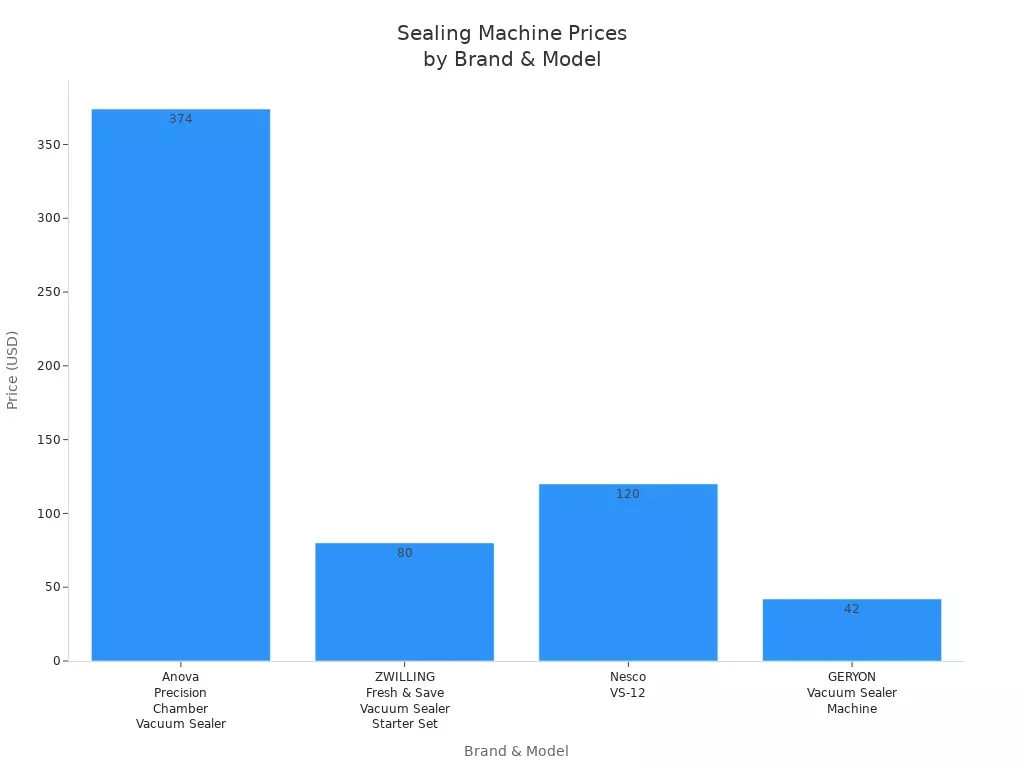
Many companies make sealing machines, but some are better because of their features and value. Here is a table with well-known models and what they cost:
Brand & Model | Price | Features |
|---|---|---|
Anova Precision Chamber Vacuum Sealer | $374 | Pickling, infusing, large size, handles many food types |
ZWILLING Fresh & Save Vacuum Sealer Starter Set | $80 | Compact, easy for meal prep, includes bags |
Nesco VS-12 | $120 | Strong vacuum pump, pulse for delicate items, long lifespan |
GERYON Vacuum Sealer Machine | $42 | Budget-friendly, lightweight, bags included |
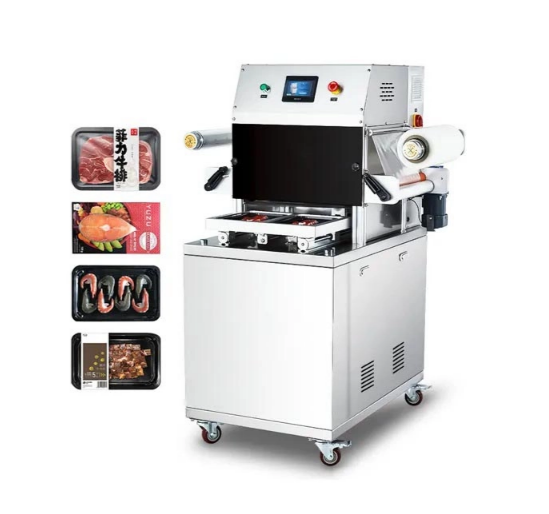
Chanda Frozen Food Plastic Tray Sealing Packing Machine Production Line | $2,500–$6,000 | Stainless steel, customizable molds, semi-automatic, precise temperature control |
You can see that prices change when you look at different features and brands. For example, Chanda has a semi-automatic tray sealer made of stainless steel. It has molds you can change. This machine is good for food businesses that need strong and flexible packaging.
The price of a sealing machine often goes up if it can seal more packages. If you want to seal lots of packages each hour, you will pay more for better technology and stronger parts. Here are some important things to remember:
Machines that can seal more and work faster cost more because they use better parts and more automation.
Fully automatic machines can do the work of several people, so you save money over time.
If your business ships 1,000 to 5,000 packages every day, high-output machines are the best deal.
You can get your money back from a fully automatic machine in 8 to 16 months.
Here is a table that shows how speed and output change the cost and payback time:
Machine Type | Speed (boxes/hour) | Monthly Operating Cost | Payback Period |
|---|---|---|---|
Semi-Automatic | 200–300 | $7,000 | Over 1 year |
Fully Automatic | 1,000–1,200 | $1,500–$3,000 | Within 1 year |
Tip: If your business is getting bigger, think about buying a machine that can seal more packages. It might cost more at first, but it can help you save money and time later.
You will see that new features and technology can change the price. Some features make machines cost more, but they help you work faster. They can also save you money over time. Here are some features that change the price:
Automation upgrades let you seal more packages with less effort. This is one big reason why prices go up.
Vacuum sealing and skin packaging keep food fresh and safe. These features are popular and make machines cost more.
Machines that use recyclable film are better for the planet. Many companies want these, so they usually cost more.
Energy-efficient models use less power. They can lower your bills by about 11% each month.
The market for vacuum skin packaging machines is growing quickly. This means people want machines with more features, even if they cost more.
You can see how different technologies change the price in the table below:
Technological Feature | Influence on Pricing |
|---|---|
Smart automation | Makes people want advanced machines, so prices go up because they can do more. |
Flexible and sustainable packaging compatibility | Makes machines worth more since companies want eco-friendly options, so prices are higher. |
Customization and modular design | You do not need many machines, but modular features can cost more at first. |
Advanced control interfaces | Makes the machine work better, so higher prices are fair for better performance. |
Vacuum, MAP, and aseptic filling advancements | Needed for jobs with more risk, so prices go up because of special technology. |
If you pick a machine with smart automation or advanced vacuum features, you will pay more at first. But you can get better results and save time.
The materials and build quality of a sealing machine are important for price and how long it lasts. Machines made with stainless steel, like the Frozen Food Plastic Tray Sealing Packing Machine Production Line, are strong and can be used a lot. Stainless steel helps the machine last for years. Customizable molds are good because you can seal different tray sizes without buying a new machine.
Build quality is important for your business. If you choose a machine with thin metals or cheap parts, it might break more often. A strong machine with good parts will last longer and work better. You can see the differences in the table below:
Cost Factor | Low-Cost Machine Risk | Value-Oriented Machine (e.g., Kaxite) |
|---|---|---|
Build Quality | Thinner metals, lower-grade components | Durable construction, certified parts |
Operational Factor | High-Cost Impact | Efficient Solution |
|---|---|---|
Energy Use | Old, weak heating parts use more energy | Insulated parts, fast cycle times |
Reliability Factor | Costly Consequence | Proactive Advantage |
|---|---|---|
MTBF (Mean Time Between Failure) | Breaks down a lot and stops working | Lasts longer, easy to plan repairs |
When you buy a machine with good materials, you have fewer problems and spend less money later.
After-sales support is another important part of the total cost. Good support can save you money and stress. Here are some things to look for:
Warranties help you plan for repairs and make smart choices.
Transferable warranties can make your machine worth more if you sell it.
Extended warranties help you feel safe and know your costs.
Always check what the warranty covers, like labor and parts, so you do not get surprised by extra costs.
If your machine breaks and you do not have support, you could lose money from lost sales or missed deadlines.
Tip: Always ask about warranty and support before you buy. Good support helps you fix problems fast and keeps your business going.
Picking the right features, materials, and support will help you get the best value from your sealing machine.
It is smart to look at different sealing machines before buying. The table below lists some popular models, their main features, and prices for 2026. You can see which model works best for different businesses.
Brand & Model | Automation Level | Capacity (boxes/hour) | Special Features | Price (USD) |
|---|---|---|---|---|
Chanda Frozen Food Plastic Tray Sealing Packing Machine Production Line | Semi-Automatic | 200–300 | Stainless steel, customizable molds, precise temp control | $2,500–$6,000 |
Chanda Fully Automatic Vacuum Skin Packaging Machine (DQ400L-V) | Fully Automatic | 700 | Vacuum skin, auto film cutting, strong suction | $12,000–$18,000 |
Anova Precision Chamber Vacuum Sealer | Semi-Automatic | 100–150 | Chamber vacuum, large size, multi-food use | $374 |
ZWILLING Fresh & Save Vacuum Sealer Starter Set | Manual | 30–50 | Compact, easy to use, starter bags | $80 |
Nesco VS-12 Vacuum Sealer | Semi-Automatic | 60–100 | Pulse function, strong pump, long lifespan | $120 |
Note: Prices might be different depending on where you shop and what extra features you pick.
The price of a sealing machine changes for a few reasons:
Machines with more automation cost more. Fully automatic machines are expensive, but they save time and work.
If a machine can seal more boxes each hour, it costs more. These machines are good for big jobs.
Special features like ultrasonic sealing, vacuum skin packaging, or molds you can change make the price go up. These features help your products stay fresh and look better.
New technology, like heat sealing or smart controls, also raises the price. Cheaper machines may not have these, so you might pay more later for repairs or upgrades.
Think about what your business really needs. If you want to work fast and do less by hand, a fully automatic machine is a good idea. If you want to spend less money and need more choices, a semi-automatic or manual machine could be better.
You have many choices when you want to buy a sealing machine in 2026. Each platform offers different benefits and challenges. Here are some trusted places to start your search:
Alibaba: You can find specialized machines with advanced features. Bulk orders often come with better prices.
Amazon and Walmart: These sites make shopping easy and fast. You may find good deals on basic models, but high-end machines are limited. Some cheaper models may not last as long or seal as well.
Direct from brands like Chanda: Buying straight from the brand gives you quality assurance and strong support. You may pay more, but you get expert help and reliable service.
Note: In 2026, sealing technology focuses on precision and energy savings. Specialized platforms like Alibaba often offer the latest options. General retailers may not have advanced models, which can lead to problems like failed seals or wasted products.
You can get the best value by following a few smart steps before you buy:
Test the machine with your own film reels. Use your current, oldest, and next shipment to check for any changes in film quality.
Run a 4-hour stress test. Watch for steady temperature, strong seals, and quick recovery after splicing.
Ask about software updates. Make sure you get at least five years of free updates so you do not pay extra later.
Get a written service agreement. Check that a technician can help you within 100 miles if something breaks.
Read the warranty closely. Look for at least two years of coverage on main parts and labor. Know what is not covered, like heating elements.
Request a validation support package. This should include templates, certificates, and a remote workshop for setup.
Make sure the machine works with your business systems. Ask for the right documents before you install it.
Tip: Always focus on durability and sealing consistency. A reliable machine helps your business run smoothly and keeps your products safe.
When you want to buy a sealing machine, there are some things to check. These include the warranty, how to keep it working, how much energy it uses, certifications, and any extra costs. If you make smart choices now, you can save money and avoid problems later.
A good warranty helps protect your money. Most warranties cover problems from the maker and software issues. They usually last for one year after you start using the machine. Warranties do not pay for parts that wear out, like belts or heaters. If you need help, you will need the machine’s serial number and a note about what is wrong.
Doing regular maintenance keeps your machine running well. It helps stop big problems and saves money on repairs. You should plan to check your machine often and have extra parts ready. Chanda machines use strong stainless steel and have molds that are easy to change. This makes it easier to take care of the machine and helps it last longer.
Find out what the warranty covers and how long it lasts.
Ask how to get repairs or order spare parts.
Make sure you know what is not covered by the warranty.
Energy efficiency is important for your business. Machines that use less energy help you save money each month. Certifications show that a machine is safe and follows the rules. These also help your company follow local laws and lower your bills.
If you pick a machine that saves energy, you help your business and the environment. Chanda machines are made to use less energy, so you can spend less over time.
Tip: Pick machines with clear energy ratings and certifications. These can help you save money in the long run.
There may be extra costs when you buy a new machine. These can be:
Shipping and insurance fees.
Taxes and import charges.
Fees for setting up and learning to use the machine.
Extra parts and parts that wear out.
Costs to make the machine work with local rules.
Here is a table to show some common extra costs:
Cost Factor | Description |
|---|---|
Installation | You may pay more for setup and electrical work. |
Training | You might have to pay to learn how to use the machine. |
Maintenance | You need to check the machine and change parts to keep it working well. |
You should always ask for a full price list before you buy. This helps you plan your money and not get surprised by extra costs.
You now know that sealing machine prices in 2026 change for many reasons. Look at the table below to see what is most important:
Factor | Description |
|---|---|
Complexity of Design | Simple machines are cheaper. Advanced ones cost more money. |
Quality of Materials | Stronger materials last longer but make the price higher. |
Production Capacity | Machines that do more cost more but save money later. |
Maintenance Costs | Cheaper machines can break a lot and need fixing. |
Market Demand | Machines everyone wants can be more expensive. |
Check out different types and features before you buy anything. Use the table and tips to help you choose. Make a checklist so you remember everything. Try to get the best value, not just the cheapest price.
You should look at your daily output, product type, and budget. Match machine features to your needs. Ask about automation, tray size, and support. Test machines before you buy.
Most sealing machines last 5 to 10 years with regular care. Stainless steel models, like Chanda, often last longer. You should follow the maintenance guide for best results.
You need to clean the machine daily and check parts every month. Replace worn parts as needed. Good maintenance helps your machine work better and last longer.
Yes. Energy-efficient machines use less power and lower your bills. You save money over time. Look for clear energy ratings when you shop.
First, check the power and settings. Read the manual for troubleshooting tips. If you cannot fix it, contact the supplier for support or repairs.
