


Views: 0 Author: Site Editor Publish Time: 2026-08-04 Origin: Site


Unplanned packaging line downtime represents a direct hit to your gross margins. It acts as much more than a simple technical inconvenience. We frequently accept occasional machine stops as normal factory behavior. However, they rapidly erode your daily profitability. You lose significant money through idled labor. Missed shipping deadlines further compound these financial losses. Shifting from reactive fixes to preventive scheduling changes this entire dynamic. No maintenance plan guarantees zero downtime forever. Yet, structured protocols drastically reduce your catastrophic failure rates. You gain highly predictable output. You also create much safer working conditions for operators. This guide introduces a highly comprehensive maintenance checklist. We designed it to standardize daily, weekly, and monthly interventions. Facility operators and maintenance engineers can implement these practical steps immediately. You will learn to assign clear tier-based accountability. We show you how to tailor upkeep to specific equipment types. You will also discover how to measure success accurately. This prevents over-engineering your daily operational process.
Baseline Efficiency: Proper packaging machine maintenance directly correlates to sustained Overall Equipment Effectiveness (OEE) and reduced material waste.
Tiered Accountability: Effective checklists separate operator-level daily tasks from technician-level weekly/monthly mechanical interventions.
Machine-Specific Nuance: Universal checklists fall short; heat systems, liquid fillers, and film trackers require specialized maintenance intervals.
Data-Driven Tracking: Transitioning maintenance logs from clipboards to CMMS (Computerized Maintenance Management Systems) is critical for auditing and lifecycle cost evaluation.
Hidden costs of reactive maintenance pile up very rapidly. You often pay massive premium rates for rushed shipping. Replacement parts rarely arrive cheaply during an emergency. Compromised seal integrity causes devastating product recalls. Idled labor completely drains your operational budget. Floor workers stand around while technicians troubleshoot the issue. Proper packaging machine maintenance eliminates these sudden surprise expenses. It transforms operational chaos into a highly predictable routine.
Reactive maintenance creates a deeply stressful work environment. Mechanics rush to fix broken machines under immense pressure. Production managers worry about missing massive retail shipments. You avoid this stressful dynamic completely with scheduled interventions. Maintenance teams work calmly when following a set checklist. They find small issues before they become massive disasters.
We define operational success using clear industry metrics. Mean Time Between Failures (MTBF) heavily tracks machine reliability. Mean Time To Repair (MTTR) effectively tracks technician efficiency. You want your MTBF score to rise steadily. You simultaneously want your MTTR score to fall. This indicates a healthy production environment.
Safety and regulatory compliance also drive this business case. Documented maintenance proves vital FDA or USDA compliance. This remains especially true in food and pharma sectors. You must strictly follow OSHA safety standards. Lockout and tagout procedures protect your floor workers from severe harm. Proper documentation proves you took all necessary safety steps.
You need a reliable evaluation metric to balance efforts. Over-engineered schedules waste highly valuable labor hours. Technicians might replace perfectly good components unnecessarily. Under-engineered schedules risk catastrophic line failure. You must monitor your breakdown frequency closely. Extend the inspection interval if components never show wear. Shorten the inspection interval if parts break between routine checks. This ensures maximum efficiency for your maintenance team.
Operators handle daily preventive maintenance best. They know the specific equipment behaviors intimately. We strongly recommend splitting these daily duties into categorized steps.
Visual and Auditory Audits
Operators should listen carefully for anomalous motor sounds. A strange grinding noise often precedes a massive failure. Pneumatic hisses usually indicate early air leaks. You must visually inspect the floor for fluid leaks. Check the main control panels for frayed wiring. Look for loose hardware before powering up the line.
Sanitation and Debris Clearance
Cleanliness ensures highly reliable sensor performance. You must clear away accumulated film dust daily. Remove all product crumbs and random liquid spillages. Debris easily interferes with sensitive optical sensors. It also binds up complex mechanical linkages. Dirty environments drastically reduce the lifespan of moving parts.
Operational Calibrations
Always verify emergency stops (E-stops) before running full production. Ensure all safety guards remain fully functional. Check the primary air pressure gauges for accuracy. Compare temperature controller readouts against standard baseline settings. Small calibration drifts cause massive sealing defects later.
End-of-Shift Protocol
Operators must document minor anomalies immediately before leaving. Reporting a small vibration today prevents a compound issue tomorrow. Clear shift handovers keep the next operator fully informed. Use a standardized logbook to capture these small operational details.
Technicians step in for deeper mechanical interventions. Operators handle the surface operations daily. Maintenance teams handle the complex core systems weekly and monthly.
Weekly Deep-Dives require dedicated scheduling time. They focus on preventing friction and maintaining alignment.
Lubrication Management: Apply food-grade or standard grease to designated bearings. Lubricate chains and moving joints based on exact OEM specs. Always wipe away excess grease immediately. Excess lubrication easily traps dirt and causes product contamination.
Pneumatic and Vacuum Systems: Inspect all air hoses for invisible micro-leaks. Drain built-up condensation from the air traps. Clean all vacuum cups and delicate machine filters. Poor vacuum pressure directly slows down product handling.
Tension and Alignment: Check the main drive belts for edge fraying. Verify proper conveyor tracking across the entire line. Assess internal chain tension to prevent premature mechanical wear. Loose chains cause devastating timing issues.
Weekly deep-dives prevent friction from destroying expensive metal components. Poor lubrication causes severe metal-on-metal grinding. This grinding generates extreme heat and eventual part seizure. Proper grease application keeps everything moving silently. Technicians must strictly use food-grade grease in food packaging environments. Regular grease easily contaminates edible products during a minor leak.
Monthly Comprehensive Audits focus on long-term longevity. They require specialized diagnostic tools and planned downtime.
Electrical and Sensor Integrity: Wipe down all critical photo-eyes gently. Check terminal connections for common vibration loosening. Verify PLC communication delays using proper diagnostic tools.
Wear Parts Replacement Assessment: Inspect cutting blades and non-stick Teflon tapes. Look closely at the sealing jaws for surface degradation. Replace these parts prophylactically based strictly on cycle counts. Do not wait for complete part failure on the floor.
Software and Firmware: Back up your PLC logic securely. Verify all product recipe parameters remain correct. Ensure busy operators have not erroneously overwritten the core operating code.
Frequency | Primary Role | Core Focus | Example Task |
|---|---|---|---|
Daily | Line Operator | Surface Inspection | Clearing film dust and operational debris |
Weekly | Maintenance Technician | Mechanical Health | Lubricating bearings and checking pneumatics |
Monthly | Lead Technician | Systems Audit | Replacing Teflon tape and verifying PLC logic |
Universal checklists usually fall short in complex manufacturing facilities. Different machines demand highly specific attention. You must adapt your maintenance strategy based on the exact equipment type.
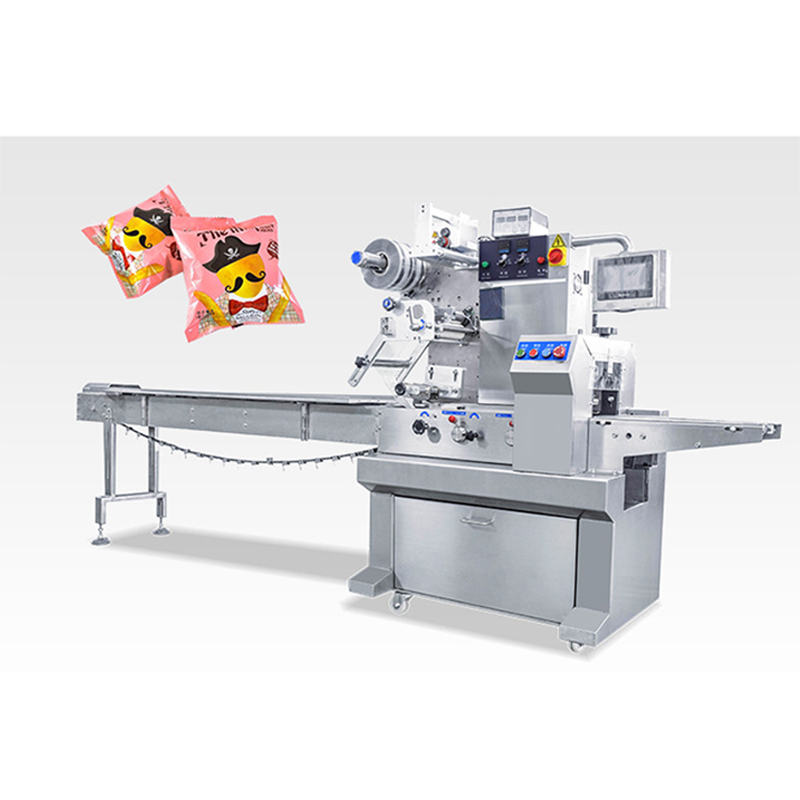
A Pillow Packing Machine requires highly precise tension control. Focus primarily on the film unwinding tension mechanisms. You must maintain perfect jaw alignment for secure hermetic seals. Keep the forming collar meticulously clean at all times. Dirty forming collars consistently lead to frustrating film jamming. They also cause invisible micro-tears in the packaging material.
Temperature regulation completely defines a Heat Shrink Machine. Evaluate your heat tunnel temperature consistency frequently. Calibrate the internal blower motors to ensure perfectly even air distribution. Inspect the heat-resistant conveyor belts on a strict schedule. Look for early visual signs of charring or material brittleness. Damaged belts ruin the aesthetic finish of shrink-wrapped goods. Heat shrink tunnels consume significant amounts of electrical power. Poorly maintained blower motors work twice as hard to distribute heat. This drives up your monthly utility bills needlessly.
Sanitation acts as the absolute top priority here. A Liquid Pouch Machine relies heavily on robust CIP (Clean-In-Place) protocols. Inspect dosing pumps and internal valve seals weekly. Check the delicate fill-nozzles for any O-ring degradation. Bad O-rings cause severe liquid volume inaccuracies. They also create highly dangerous bacterial harborage points inside the system. CIP fluids cannot reach behind a degraded O-ring. Bacteria hide in these microscopic crevices safely. Replacing O-rings on schedule prevents massive product spoilage events.
Adoption risks pose a major threat to your success. Operators often skip maintenance checklists entirely. This happens frequently if the forms feel too complex. It also happens when routine maintenance interferes with strict production quotas. You must simplify the daily documentation process. Ensure management supports stopping the line for routine checks.
Digitalization through a CMMS solves many ongoing compliance issues. Transitioning to digital work orders enforces strict team accountability. The software triggers automated parts reordering based on current inventory levels. It also tracks historical failure data highly accurately. Digital logs completely eliminate the problem of lost paper clipboards.
Eventually, you hit a critical repair versus replace threshold. Ongoing mechanical maintenance costs sometimes skyrocket unexpectedly. These costs can easily exceed the capitalization of a brand new Packaging Machine. Provide your leadership team with a clear decision framework. Assess if persistent production bottlenecks stem from poor maintenance. Sometimes, obsolete equipment causes the true operational delay. Look at your monthly replacement parts spend. Compare it directly against new equipment financing options.
Your next steps involve smart team resourcing. Decide between shortlisting external PM (Preventive Maintenance) service contracts or training an internal team. In-house technical teams offer much faster emergency response times. External contractors bring highly specialized diagnostic tools to your facility. Choose the path matching your production scale.
A disciplined maintenance schedule represents a true business investment. It ensures critical capital asset protection for years. Do not view it merely as annoying operational overhead. Preventive strategies yield highly measurable financial returns through steady production.
Take actionable next steps today to secure your facility. Download a comprehensive baseline checklist for your factory floor. Audit your current OEE to find baseline efficiency numbers. Evaluate if your existing machinery requires a full lifecycle assessment. Schedule immediate parts servicing for any neglected packaging units.
A: You should replace wear parts based strictly on specific cycle counts. OEM guidelines provide the most accurate replacement intervals. Avoid relying on fixed calendar timeframes entirely. A machine running three shifts degrades much faster than one running a single shift. Track operational cycles closely for accurate planning.
A: Line operators handle daily maintenance tasks. They manage surface cleaning, basic visual inspections, and initial calibration checks. Certified maintenance technicians handle weekly and monthly tasks. Technicians manage complex mechanical lubrication, electrical diagnostics, and internal parts replacement. This division of labor maximizes both safety and efficiency.
A: The ROI manifests through massive downtime reduction percentages. You significantly extend your overall asset lifespan. You also secure lower emergency shipping costs for replacement parts. Preventive maintenance eliminates scrapped products caused by poor seals. This strategy directly protects your daily gross margins and shipping deadlines.
A: Yes, absolutely. Misaligned seal jaws or failing tensioners lead to incredibly high scrap rates. You waste expensive film and raw pouches when seals fail. Poor maintenance causes machines to chew through extra materials. Keeping mechanical alignment perfect ensures you use only the planned amount of packaging.
