


Views: 0 Author: Site Editor Publish Time: 2026-04-08 Origin: Site


Why do so many people choose ready meals today? Life moves fast, and time feels limited. Many want food that is quick, simple, and still enjoyable. This growing demand has pushed the rise of convenience food in homes, retail stores, and food service operations. A convenience food system is more than prepared meals. It is a complete process that covers preparation, processing, preservation, packaging, and delivery. Its goal is clear: reduce cooking time while keeping quality and safety stable. At the center of this system, food processing equipment helps turn raw ingredients into consistent products at scale.
In this article, you will learn what a convenience food system is, how it works, and why it matters. We will also explore how businesses use it to improve efficiency and meet modern food demands.
A convenience food system refers to a complete production and supply framework designed to create foods that are easy to consume. These foods can be ready-to-eat, ready-to-heat, or ready-to-cook. The system focuses on saving time and reducing effort for the end user.
Instead of starting from raw ingredients, consumers receive food that has already been cleaned, portioned, cooked, or partially prepared. This approach simplifies meal preparation without removing variety or quality. It serves busy individuals, families, and food service providers who need fast solutions. In simple terms, the system transforms complex cooking processes into simple final steps.
The key difference lies in integration. A convenience food system connects multiple stages into one continuous workflow. It starts with raw materials and ends with a finished product ready for consumption or minimal preparation. These stages include:
● Ingredient sourcing and preparation
● Processing and cooking
● Preservation and storage
● Packaging and transportation
Each step supports the next. Without coordination, the final product would lose consistency or safety. The system ensures smooth transitions between stages, reducing waste and improving efficiency.
Food processing equipment supports every step of the system. It improves speed, hygiene, and accuracy. Without it, large-scale production would be difficult to manage.
Here are some common functions:
Function Area | Equipment Example | Purpose |
Preparation | Washers, peelers | Clean and prepare raw materials |
Processing | Mixers, cookers | Create consistent products |
Preservation | Freezers, dryers | Extend shelf life |
Packaging | Sealers, fillers | Protect and store products |
These machines ensure uniform results across batches. They also reduce manual labor and improve efficiency.
You can see this system in many everyday products:
● Ready meals like pasta dishes or rice bowls
● Frozen foods such as pizza or vegetables
● Canned soups and stews
● Pre-cut fruits and vegetables
● Meal kits with measured ingredients
Each product reflects a combination of processing, preservation, and packaging designed for convenience.
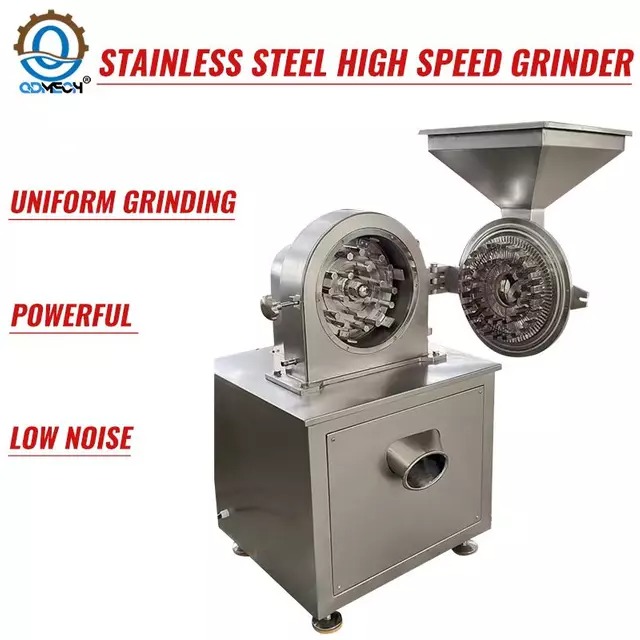
Everything begins with raw ingredients. These may include vegetables, meat, grains, or mixed components. Before processing, they must be cleaned and prepared. Food processing equipment plays a key role here. Washing machines remove dirt and residues. Peelers and cutters shape the ingredients into usable forms. Sorting systems ensure consistent quality.
This stage improves hygiene and prepares materials for the next steps. It also reduces manual work, making operations faster and more reliable.
Once prepared, ingredients move into processing. This stage builds the actual product.
Common methods include:
● Cooking and steaming
● Blanching vegetables
● Mixing ingredients
● Adding seasoning or sauces
These processes are designed to reduce the work required later. For example, a pre-cooked meal only needs reheating. A pre-seasoned product requires no additional preparation.
Processing defines how convenient the final product will be.
Preservation is essential in any convenience food system. It allows products to stay fresh longer while maintaining taste and safety.
Key methods include:
Method | Purpose | Example Product |
Freezing | Slows microbial growth | Frozen meals |
Pasteurization | Kills harmful bacteria | Dairy products |
Vacuum packing | Reduces oxygen exposure | Meat products |
Drying | Removes moisture | Snack foods |
These techniques make it possible to transport food over long distances without losing quality.
Packaging is the final step before products reach the market. It protects food, extends shelf life, and improves usability.
Modern packaging solutions include:
● Microwaveable containers
● Vacuum-sealed bags
● Portion-controlled packs
● Easy-open packaging
Good packaging also supports branding and logistics. It ensures products are easy to store, transport, and consume.
Tip: Choose packaging formats based on how the customer will use the product, not just on cost or material.
Ready-to-eat foods require no preparation. Consumers can eat them immediately after opening.
Examples include:
● Fresh salads
● Sandwiches
● Cooked meals
● Snack packs
These products rely heavily on hygiene and packaging to maintain freshness. They are popular in urban areas where time is limited.
These foods need only reheating before consumption. They are widely used in households and food service.
Examples include:
● Frozen dinners
● Canned soups
● Microwave meals
They offer a balance between convenience and variety. Processing ensures flavor remains intact after reheating.
This category includes partially prepared foods. They still require cooking but save time in preparation.
Examples include:
● Washed vegetables
● Marinated meats
● Meal kits
These products appeal to people who enjoy cooking but want to reduce effort.
Time is one of the most valuable resources today. Convenience food systems allow people to enjoy meals without spending hours in the kitchen. For busy workers, students, and families, this means better meal access with less effort. It also supports consistent eating habits and reduces daily cooking pressure.
For manufacturers, consistency is critical. A convenience food system ensures every product meets the same quality standard.
This is especially important for:
● Supermarkets
● Restaurant chains
● Catering services
Standardization builds trust and strengthens brand identity.
Urbanization and smaller households have changed how people eat. Many prefer quick meals over traditional cooking. Convenience food systems respond to these changes. They provide flexible options that fit modern lifestyles and support diverse dietary preferences.
Scalability depends on efficient production. Food processing equipment allows businesses to increase output without losing quality.
Companies like Chanda offer integrated equipment solutions that help manufacturers expand operations while maintaining consistency. Their systems support multiple product categories, making them suitable for growing businesses.
Preparation equipment handles the first stage of production. It ensures raw materials are clean, uniform, and ready for further processing. This stage directly affects final product quality and efficiency.
Common machines include:
● Vegetable washers
● Peelers
● Slicers and cutters
● Meat grinders
● Mixing machines
They improve speed, reduce manual labor, and help maintain hygiene standards throughout the process..
Cooking equipment transforms raw materials into finished or semi-finished products. It plays a key role in defining texture, flavor, and safety.
Examples include:
● Steamers
● Fryers
● Ovens
● Blanching
systemsThese machines control temperature and time precisely, ensuring consistent results across batches and improving production reliability.
Preservation equipment extends shelf life, while packaging equipment prepares products for safe distribution and storage. Both are essential for maintaining product quality over time.
Key machines include:
● Freezers
● Vacuum packaging machines
● Filling machines
● Sealing machines
They protect food from contamination, preserve freshness, and support efficient logistics operations.
Different products require different equipment setups. Choosing the right combination improves efficiency and product consistency.
Product Type | Key Equipment Needed |
Fresh-cut produce | Washers, cutters, packers |
Frozen meals | Cookers, freezers, sealers |
Meat products | Grinders, mixers, vacuum pack |
Bakery items | Mixers, ovens, packaging |
Suppliers such as Chanda provide flexible solutions across these categories, helping businesses build efficient production lines.
Convenience food systems are used across many food categories. They help simplify preparation, improve consistency, and extend shelf life. Different segments require different processing methods, but all aim to deliver faster and more practical food solutions. Below is a structured overview of how these systems apply to key food sectors.
Food Segment | Typical Applications | Key Benefits |
Fruit and vegetable | Pre-cut salads, frozen vegetables, ready-to-cook packs | Reduce prep time, maintain freshness, improve usability |
Meat and protein | Marinated meats, cooked portions, frozen ready meals | Ensure safety, improve consistency, extend shelf life |
Bakery, snacks, components | Ready-mix baking products, packaged snacks, portion-controlled items | Easy storage, quick consumption, strong retail appeal |
In fruit and vegetable processing, convenience systems focus on freshness and minimal preparation. In meat and protein products, they emphasize safety, consistency, and longer storage life. In bakery and snack production, they support easy handling, portion control, and fast distribution. Together, these applications show how flexible and scalable convenience food systems can be across different markets.
First, define your product type clearly. Decide whether it will be ready-to-eat, ready-to-heat, or ready-to-cook. This choice affects every step that follows. It shapes ingredient preparation, processing methods, and packaging style. It also influences storage and distribution needs. A clear direction helps avoid costly adjustments later and improves overall planning efficiency.
Choosing the right equipment is critical for long-term success. Focus on key factors such as: ● Production capacity
● Automation level
● Cleaning and maintenance
● Product compatibilityEach factor impacts performance and cost control. The right setup improves efficiency, reduces downtime, and ensures consistent product quality. It also supports future expansion without major system changes.
An efficient system connects all stages smoothly. Materials should move easily from preparation to processing and then to packaging. This flow reduces handling time and improves overall productivity. Integrated systems also help maintain product quality during transitions.
Note: A well-designed production line often performs better than multiple disconnected machines, even if each machine is high quality. A unified system improves coordination, reduces delays, and enhances operational stability.
A convenience food system turns raw ingredients into simple, ready-to-use meals. It connects preparation, processing, preservation, packaging, and delivery into one smooth process. This system helps reduce cooking time while keeping food safe and consistent. It plays an important role in modern food production, where speed and quality both matter.
Food processing equipment supports every stage and improves efficiency. It allows businesses to produce large volumes while maintaining stable quality. Companies like Chanda Machine Co.,Ltd. provide reliable equipment solutions that cover multiple processing needs. Their products help improve workflow, reduce labor, and support scalable production. With the right system and equipment, businesses can deliver better products, respond faster to demand, and stay competitive in a growing market.
A: A convenience food system is a complete process that turns raw ingredients into ready-to-eat, ready-to-heat, or ready-to-cook products. It includes preparation, processing, preservation, packaging, and distribution.
A: Food processing equipment supports key steps such as washing, cutting, mixing, cooking, freezing, filling, and sealing. It helps improve speed, hygiene, consistency, and production efficiency.
A: It helps meet demand for fast, reliable, and high-quality meals. It also supports modern lifestyles, where people want shorter preparation time and more flexible food options.
A: Common food processing equipment includes washers, peelers, slicers, mixers, cookers, fryers, freezers, vacuum packing machines, and sealing machines. Each one supports a different production stage.
A: Cost depends on production scale, automation level, and product type. Basic food processing equipment may suit small lines, while integrated systems often bring better long-term value through higher output and lower labor needs.
A: Food processing equipment helps businesses improve consistency, increase output, reduce manual handling, and maintain stable product quality. It also supports safer and more efficient operations.
