


Views: 0 Author: Site Editor Publish Time: 2026-04-15 Origin: Site


Ever wondered why one batch of fries turns crispy, while another feels soggy? Many people face this problem, even when using the same fryer. So, how long for French fries in a deep fryer? The answer is not just about minutes. It depends on oil temperature, cutting size, and frying method. This topic matters for both home cooks and food businesses. Whether you prepare snacks at home or manage a snack beverage machine setup, timing plays a key role. It also becomes critical in a french fries and potato chips production line, where consistency affects product quality and customer satisfaction.
In this article, we will break down exact frying times and key factors. You will learn how to control temperature, improve texture, and get perfectly cooked fries every time.
For fresh-cut potatoes, the best method is double frying. The total cooking time is usually 7 to 9 minutes. This method creates a fluffy interior and a crispy golden exterior.
Instead of cooking everything at once, the process splits into two stages. This approach helps avoid undercooked centers or overly dark surfaces. It also improves texture consistency, which is why restaurants rely on it.
To achieve perfect French fries, the frying process is usually divided into two stages. Each stage plays a different role, and both time and temperature must be controlled carefully. The first step focuses on cooking the inside, while the second step creates the crispy outer layer.
Fry Stage | Temperature Range | Time | Purpose | Result Appearance |
First Fry | 300–325°F | 4–5 minutes | Cook the inside of the fries | Pale, soft texture |
Resting | Room temp | Short rest | Allow heat to distribute | Slightly firm, not crisp |
Second Fry | 375–400°F | 2–3 minutes | Crisp the outside surface | Golden, crispy exterior |
Single frying works if you’re short on time. It usually takes about 5–6 minutes at a steady temperature. However, the result often lacks the ideal crispiness.
Double frying takes slightly longer but delivers better results. It separates cooking and crisping, which improves both texture and flavor. That’s why it’s widely used in both restaurants and large-scale frying systems.
Frozen fries are pre-treated, so they cook faster and more evenly. Most take 3–5 minutes in hot oil, depending on thickness. Instead of relying only on time, watch for visual cues. They should float, turn golden, and feel firm. This method reduces guesswork and ensures consistent output.
Don’t rely on time alone. Combine:
● Oil temperature
● Color change
● Texture
● Floating behavior
This approach works well in both home kitchens and industrial environments like a french fries and potato chips production line, where consistency matters most.
Thicker fries need more time. Thin fries cook quickly because heat reaches the center faster. Steak fries, on the other hand, take longer during the first fry.
Consistency matters. If pieces vary in size, some will overcook while others remain underdone. Even cutting ensures uniform frying time and better results.
Oil temperature controls everything. If it drops too low, fries absorb more oil and become greasy. If it’s too high, the outside burns before the inside cooks. Overcrowding is the main cause of temperature drops. When too many fries enter the fryer, the oil struggles to recover heat. This leads to longer cooking times and uneven texture.
Different types of potatoes and preparation methods can significantly affect frying time and final texture. Fresh, soaked, and frozen fries each behave differently in hot oil, so understanding these differences helps improve consistency and results.
Potato Type | Prep Needed | Frying Behavior | Consistency |
Fresh | Cut, optional soak | Less stable cooking time | Medium |
Soaked | Soak before frying | More even cooking | High |
Frozen | Ready to fry | Very stable and predictable | Very high |
Choosing the right type depends on your workflow and desired texture. For consistent results, soaked or frozen fries are often easier to manage.
Soaking fries in cold water for at least 30 minutes helps remove surface starch. This prevents sticking and improves crispiness. It also stabilizes frying time. Without excess starch, fries cook more evenly and brown at a controlled pace.
Moisture is the enemy of deep frying. Wet fries lower oil temperature and cause splattering.
Dry them completely before frying. This step helps maintain consistent heat and shortens cooking time. It also improves safety and final texture.
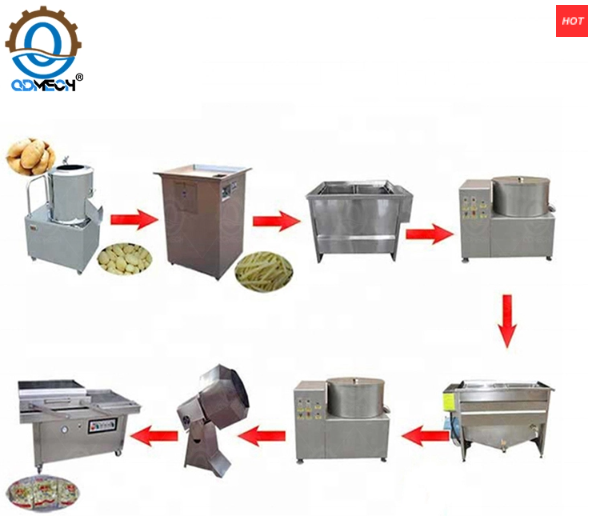
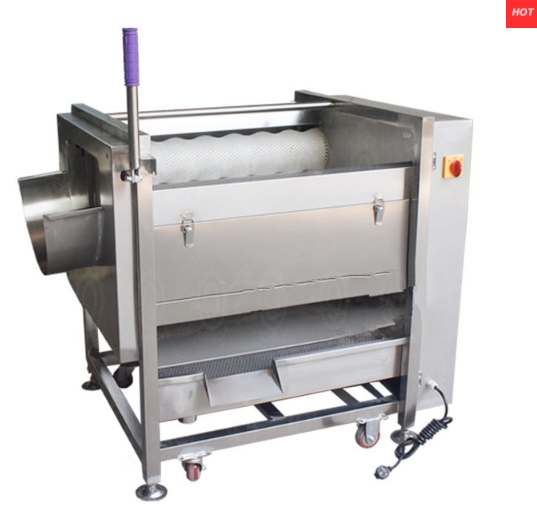
In commercial environments, preparation needs to be fast and consistent. Equipment from manufacturers like Chanda helps streamline washing, cutting, and drying. By standardizing these steps, businesses can control frying time more precisely. This is especially useful in high-demand setups where speed and consistency are critical.
Tip: Consistent prep leads to consistent frying time—automating prep steps reduces human error and improves output quality.
Thin fries cook very quickly, often within just a few minutes. They are ideal for fast service environments where speed is important. Because they are smaller, heat reaches the center almost instantly.
However, they require careful monitoring at all times. Even a few extra seconds can cause over-browning or dryness. Keeping oil temperature steady is essential to avoid sudden color changes and uneven results.
Classic fries benefit most from the double-fry method. The first stage gently softens the interior, while the second stage creates a crisp outer shell. This balance gives the well-known restaurant-style texture. This method allows better control over both timing and quality. It works well in home kitchens and also fits structured workflows in commercial settings.
Thicker fries need more time during the first frying stage. Heat takes longer to reach the center, so patience is important. If rushed, the outside may cook too fast while the inside stays underdone.
The second fry focuses on surface crispness. Timing here is shorter, but still critical for achieving the right color and texture balance without drying the fries.
In a french fries and potato chips production line, timing is controlled automatically. Each stage—cutting, soaking, frying—is calibrated for consistency. Companies like Chanda design systems that maintain stable oil temperatures and precise frying durations. This ensures every batch meets the same quality standard, even at high volumes.
Color is one of the easiest ways to judge whether fries are done. By observing how the surface changes during frying, we can quickly adjust time or temperature to get better results.
Appearance Stage | Color Description | What It Means | Action Needed |
Undercooked | Pale, light yellow | Not fully cooked | Fry longer or increase heat |
Perfectly cooked | Light golden, slight edge browning | Ideal texture and doneness | Remove from oil |
Overcooked | Dark brown | Oil too hot or fried too long | Reduce time or lower temperature |
Watching color changes helps guide frying decisions. It allows quick adjustments without relying only on timing.
Texture tells the full story. After the first fry, fries should feel soft but hold their shape.
After the second fry, they should be crisp outside and fluffy inside. This contrast defines high-quality French fries.
Note: Always remove fries just before they reach the final color—they continue cooking briefly after leaving the oil.
Restaurants often use a pre-frying method to manage busy periods. They cook fries partially in advance, then finish them when an order comes in. This approach reduces wait time and keeps service smooth during peak hours. It also helps maintain consistent quality across orders. Staff can focus on timing the final fry, which improves texture and presentation. This method supports better control over both speed and output.
In a snack beverage machine environment, fries are usually served alongside drinks. Customers expect fast service and fresh food every time. Timing becomes a key factor in meeting these expectations. Consistent frying time allows quick delivery without lowering quality. It also helps staff handle high-volume periods more efficiently, reducing delays and improving overall workflow.
As demand increases, manual frying becomes harder to manage. Production systems provide better control over each step. They help standardize cutting, preparation, and frying processes.
Chanda offers integrated solutions that connect preparation and frying into one streamlined system. This improves efficiency, reduces waste, and ensures each batch meets the same quality standard across large-scale operations.
Frying time often becomes inaccurate due to a few common mistakes. These issues affect oil temperature, texture, and final taste. Understanding them helps improve consistency and avoid poor results.
Mistake | What Happens | Impact on Frying Time | Recommended Action |
Incorrect oil temperature | Too low: soggy fries; too high: burnt outside | Unpredictable cooking time | Keep oil at stable temperature |
Overcrowding the fryer | Oil temperature drops quickly | Longer cooking time | Fry in small batches |
Late seasoning and finishing | Flavor does not stick properly | Affects final quality | Season immediately after frying |
By correcting these mistakes, we can achieve more consistent frying time and better overall results.
So, how long for French fries in a deep fryer? In most cases, 7 to 9 minutes works best when using a double-fry method. This approach helps create a crispy outside and soft inside. However, time alone does not guarantee good results. Oil temperature, proper soaking, drying, and batch control all play important roles. These factors work together to improve texture and consistency.
Whether you cook at home or manage a snack beverage machine setup, controlling these steps makes a big difference. In a french fries and potato chips production line, precision becomes even more important. Chanda Machine Co.,Ltd. offers reliable equipment that supports stable temperature control and efficient processing. Their solutions help improve output quality, reduce variation, and deliver consistent, high-value results for every batch.
A: Fresh-cut French fries usually take about 7–9 minutes total when you use the double-fry method. The first fry cooks the inside, and the second fry makes them crisp and golden.
A: In a snack beverage machine setup, stable frying time helps keep service fast and product quality consistent. It also helps staff deliver fries that stay crisp and appealing during busy hours.
A: A french fries and potato chips production line improves consistency by controlling cut size, prep steps, oil temperature, and frying time. This reduces variation and helps each batch look and taste more uniform.
A: Fries often turn soggy when oil temperature is too low, the fryer is overcrowded, or the potatoes are still wet. Proper soaking, drying, and batch control help prevent this problem.
A: Yes, double frying is often better for a french fries and potato chips production line because it separates cooking from crisping. This makes texture more reliable and helps maintain quality at higher output levels.
A: Better timing in a snack beverage machine operation reduces waste, lowers rework, and improves serving speed. It helps operators keep product quality stable while making daily production more efficient.
