


Views: 0 Author: Site Editor Publish Time: 2026-05-06 Origin: Site


Equipment failure represents much more than a simple repair bill. It acts as a compounding revenue killer for modern facilities. Unexpected downtime triggers severe hidden costs. Raw materials spoil quickly on stagnant production lines. Entire batches of work-in-progress (WIP) waste end up in the facility dumpster. You also miss strict production quotas, risking heavy vendor penalties. Strategic maintenance changes this dynamic completely. You must view the upkeep of food processing equipment as a core driver of facility profitability and compliance. It is never just a routine janitorial duty. Proper care protects active warranties and ensures strict FDA regulatory alignment. This article provides plant managers and operational buyers with an actionable, compliance-aware framework. You will learn how to extend asset life and prevent costly warranty voids. We will also help you calculate exactly when repairing old machinery stops making financial sense and when you should upgrade.
Proactive over Reactive: Moving from reactive fixes to a structured schedule can significantly reduce unplanned downtime and prevent expensive raw material waste.
Compliance is Tied to Maintenance: Adhering to manufacturer guidelines ensures FDA/FSMA compliance and protects active equipment warranties.
Symptom Recognition: Early identification of thermal, acoustic, or performance anomalies prevents minor wear from becoming catastrophic mechanical failure.
Strategic Upgrades: Knowing the mathematical tipping point between repairing an aging asset and investing in new equipment is critical for long-term profitability.
Most facility managers only see the direct costs of a broken machine. They look at replacement parts and mechanic labor hours. These visible expenses represent a tiny fraction of the actual financial damage. We call this the "iceberg" cost model. Below the surface, secondary losses multiply rapidly. Idle labor drains payroll while workers wait for mechanics. Highly perishable ingredient spoilage destroys profit margins. Stagnant product also introduces severe cross-contamination risks.
Let us visualize this iceberg model through a simple summary chart.
The Iceberg Cost Model of Maintenance Neglect | ||
Cost Category | Financial Impact | Visibility to Management |
|---|---|---|
Direct Repair Parts | Low ($) | High (Visible) |
Emergency Mechanic Labor | Medium ($$) | High (Visible) |
Idle Workforce Payroll | High ($$$) | Low (Hidden) |
Perishable Ingredient Spoilage | Very High ($$$$) | Low (Hidden) |
Missed Vendor Quotas | Severe ($$$$$) | Low (Hidden) |
Improper maintenance practices introduce massive regulatory and warranty risks. Manufacturers mandate specific cleaning agents. Using unauthorized harsh chemical cleaners can instantly void expensive warranties. Compliance risks also extend to supporting facility systems. Neglecting your grease traps disrupts fats, oils, and grease (FOG) management. Local environmental agencies monitor these traps strictly. This oversight can trigger immediate facility shutdowns from health inspectors. You lose days of production over a simple plumbing failure.
Industry blogs heavily promote IoT predictive sensors. They promise a flawless, automated future. However, we must balance this hype against operational reality. You cannot jump straight to predictive analytics. Consistent, manual preventive baselines must exist first. Facilities need strict daily cleaning and inspection routines before investing heavily in digital sensors. Master the basics before chasing complex algorithms.
Extending asset lifespan requires discipline. You must establish strict, cycle-based schedules for all commercial food processing equipment. Daily tasks form the absolute foundation of your maintenance program. Without a daily schedule, minor grime builds into major mechanical friction.
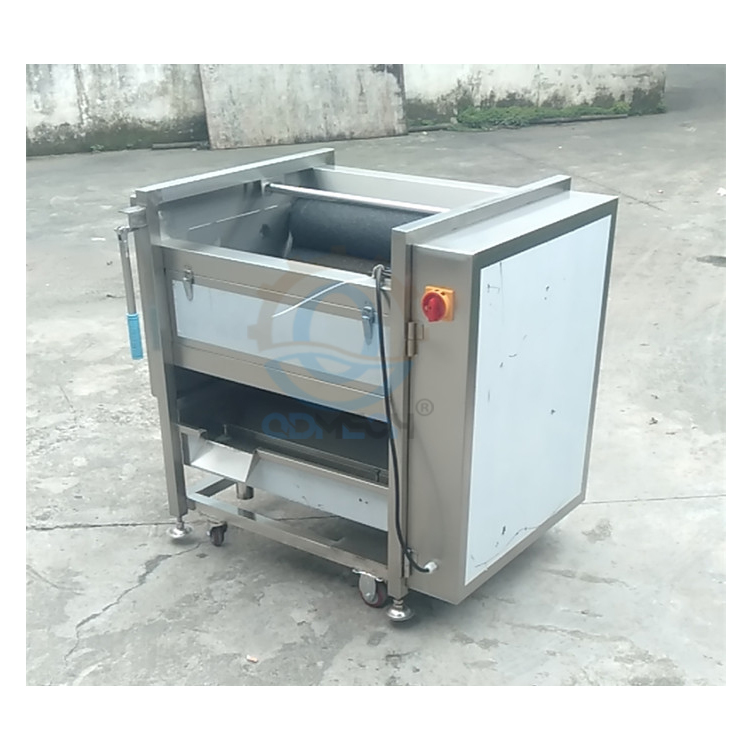
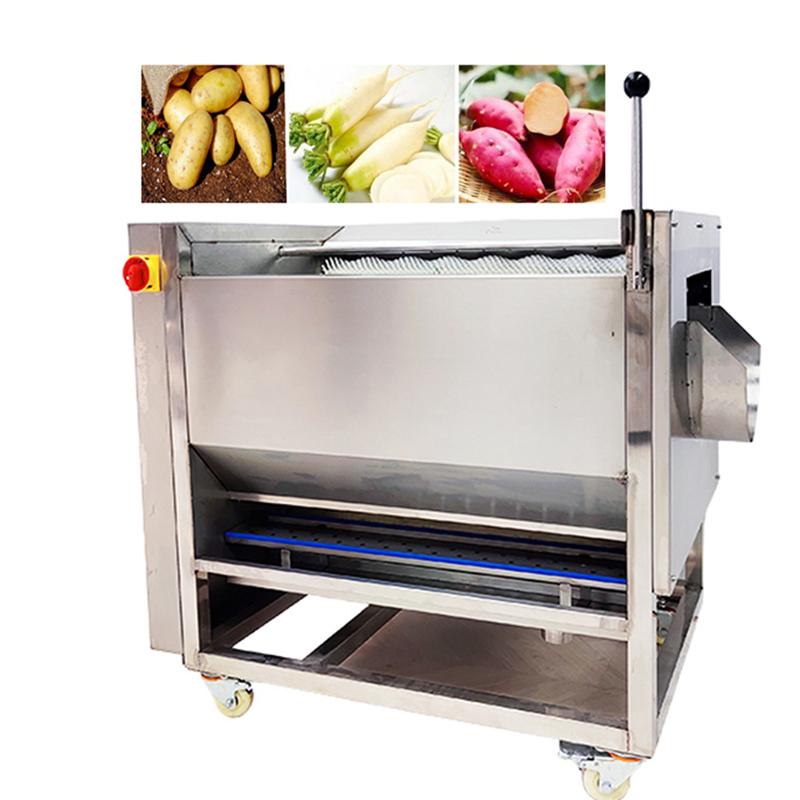
Your team should focus primarily on sanitation and visual checks every single day. Safe washdowns are critical to this process. High-pressure washing poses severe risks when aimed near electrical housings. Water ingress destroys sensitive control boards instantly. You must train sanitation crews on correct nozzle angles. Pay close attention to specialized gear. You must actively remove organic debris daily. For example, operators must inspect the bristles and bearings on an automatic potato washing brush roller every shift. This simple habit prevents dangerous pathogen buildup. It also stops starch from hardening and locking up the internal bearings.
Move your focus toward mechanical integrity during weekly and monthly checks. Mechanics must inspect belt tensions, assess blade sharpness, and verify gear alignment. Loose belts slip and burn. Dull blades crush product instead of slicing cleanly. Let us look at a specific application. You should regularly recalibrate the slicing tolerances on a fruit vegetable machine. Routine calibration ensures consistent product yield. It actively prevents unnecessary motor strain caused by blunt resistance.
Many maintenance teams fall victim to dangerous fallacies. The "more is better" myth destroys many reliable machines. We frequently see operators making critical errors during routine service.
Over-lubricating moving parts: This does not reduce wear. It actually creates a sticky trap for ambient dust and food particles.
Accelerating friction: Trapped grit acts like sandpaper on expensive metal gears.
Premature seal failure: Excessive grease gun pressure blows out delicate rubber seals permanently.
You must apply lubricants sparingly. Always follow exact manufacturer specifications regarding grease volume and application frequency.
Catching symptoms early prevents minor issues from becoming catastrophic failures. We use a structured troubleshooting framework to empower line workers. Operators interact with the machines constantly. They serve as your best frontline defense against mechanical breakdowns.
Machines speak to you through sound. You just need to listen closely. Grinding noises usually indicate bearing failure or metal-on-metal wear. High-pitched squealing often points toward loose belts or severe shaft misalignment. Rattling sounds suggest loose internal fasteners. Do not ignore these acoustic anomalies. Shut the machine down immediately for a thorough inspection. Waiting until the end of the shift often guarantees permanent damage.
Heat acts as a silent destroyer in processing environments. Inconsistent temperatures signal failing thermostats or faulty heating elements. Overheating motors point directly to blocked ventilation louvers. Sometimes, they indicate excessive mechanical strain from overloaded hoppers. You should equip your line supervisors with handheld infrared thermometers. Routine thermal checks easily catch these dangerous fluctuations before internal electrical windings melt completely.
Use your finished product quality as a primary diagnostic tool. Output degradation tells a clear mechanical story. You can spot equipment issues simply by inspecting the food coming off the conveyor.
Jagged cuts on produce: This visual flaw indicates blunt cutting blades that require immediate sharpening or replacement.
Excessive produce bruising: Rough handling through the line signals lost pneumatic pressure or misaligned conveyor transfer points.
Uneven mixing distributions: Poor ingredient blending highlights failing agitator motors or broken paddle attachments inside the drum.
Train your quality assurance team to report these specific visual defects directly to the maintenance department.
Every maintenance buyer faces the exact same sourcing dilemma. You constantly debate between purchasing cheaper third-party replacement parts and original equipment manufacturer (OEM) components. Procurement departments love saving money upfront. However, engineering teams demand reliability.
We must evaluate the true cost of this sourcing decision. A cheap part often creates an expensive disaster. Let us break down the direct comparison between these two options.
Cost-to-Benefit Evaluation: OEM vs. Aftermarket Parts | ||
Evaluation Criteria | OEM Components | Aftermarket Parts |
|---|---|---|
Upfront Cost | Higher initial expense | Lower initial expense |
Quality & Fitment | Guaranteed exact-fit tolerances | Varying quality control standards |
Food Safety Status | Tested for food-grade compliance | Materials may leach unknown chemicals |
Long-Term Risks | Retains factory warranty status | High risk of secondary machine damage |
Aftermarket parts might save you a few dollars today. However, they introduce immense risks to your production line. Poorly machined impellers can shatter inside a liquid pump. This shrapnel destroys the entire stainless steel housing. Using non-approved parts also gives manufacturers a legal reason to deny your warranty claims. Stick to OEM parts for any component touching food or bearing heavy mechanical loads.
You need a smart inventory strategy to maximize equipment lifespan. Supply chain delays ruin maintenance schedules. Keep critical, high-wear OEM parts on-site at all times. Stock replacement seals, custom gaskets, and specific cutting blades in your local tool room. Having these exact-fit components ready drastically cuts down repair response times. You never want production halted for three days while waiting for a fifty-dollar gasket to ship across the country.
Even the absolute best maintenance programs cannot defeat time indefinitely. Facility operators need a reliable decision framework. You must know exactly when continued maintenance yields diminishing returns. Throwing good money after bad machinery hurts your bottom line.
Evaluate the asset lifecycle formula carefully. You track the cumulative repair costs against the current replacement value of the machine. Do not just track the parts. You must include the emergency labor hours and the lost production time. This holistic formula reveals the true financial burden of aging assets.
Look for three definitive signs that repair efforts are failing. First, your annual repair costs consistently exceed 30 percent of the equipment's replacement value. Second, critical replacement parts become completely obsolete. Lead times for these legacy parts paralyze your production schedules. Third, modern hygiene standards outpace your legacy equipment capabilities. For example, older machines often lack automated Clean In Place (CIP) systems. Manual teardowns become too labor-intensive to justify under strict modern FSMA regulations.
Do your oldest production lines display these terminal symptoms? If so, you must take proactive steps immediately. We highly encourage readers evaluating end-of-life assets to browse current food processing equipment for sale. Comparing modern machinery reveals massive energy efficiencies. New models also boast significantly lower lifetime maintenance costs against your current operating expenses. Upgrading often pays for itself through reduced labor and eliminated waste.
Extending the lifespan of your critical machinery requires a documented, cycle-based approach. You must respect both the mechanical limits of the hardware and strict facility sanitation protocols. Reactive patching only leads to compounding downtime and massive raw material waste. Instead, you need proactive symptom recognition. Listening for acoustic changes and spotting visual output degradation saves immense capital. Proper part sourcing also protects your warranty status.
Take immediate action this week. Audit your current maintenance logs thoroughly. Check your stock of critical OEM replacement parts. Finally, consult an equipment specialist to evaluate your oldest production line. Determine mathematically if that legacy machine is now costing you more money than it actually produces. Strategic maintenance always drives long-term profitability.
A: Manufacturers strictly mandate specific cleaning agents, exact lubrication types, and scheduled service intervals. Failing to document these routine steps gives manufacturers immediate grounds to deny claims. Using unauthorized aftermarket parts also completely voids your active equipment warranties. Proper documentation proves you followed their guidelines perfectly.
A: It is only worthwhile if the equipment is mission-critical and prone to highly unpredictable failures. For most standard operations, establishing a strict manual preventive schedule offers a much better immediate return on investment than retrofitting expensive IoT sensors on aging assets. Master the basic maintenance baselines first.
A: Yes, it can be highly reliable. The used equipment must come with a verifiable maintenance history. Ensure it has been properly refurbished using exact-fit OEM parts. Finally, it must integrate seamlessly into your facility's daily preventive maintenance and cleaning schedules to ensure long-term success.
