


Views: 0 Author: Site Editor Publish Time: 2025-09-30 Origin: Site


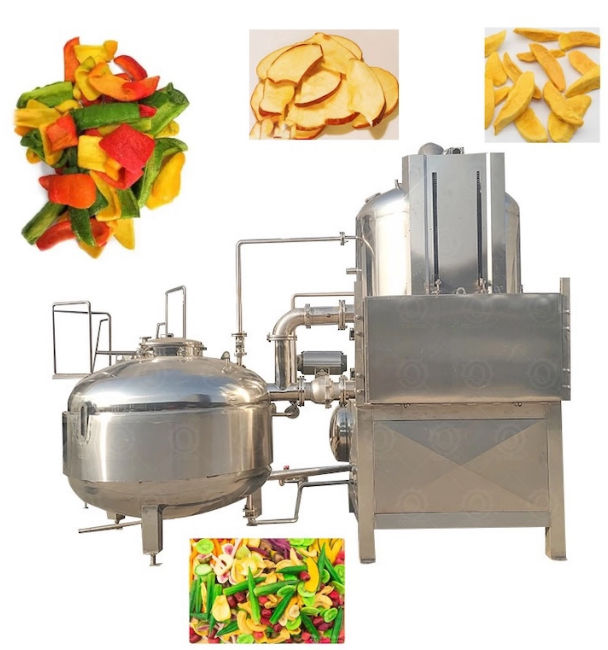
Frying is a fundamental process in food production, playing a crucial role in enhancing the flavor, texture, and shelf life of various food products. As an integral part of the Production Line, frying involves cooking food by immersing it in hot oil, resulting in a crispy exterior and a moist interior. This article delves into the intricacies of frying in food production, exploring its significance, techniques, and advancements in frying technology. By understanding the complexities of frying, food manufacturers can optimize their processes to achieve consistent quality and efficiency.
Frying is a complex heat transfer process that involves conduction, convection, and radiation. When food is submerged in hot oil, heat is transferred from the oil to the food surface, causing moisture to evaporate and form a crispy crust. The Maillard reaction, a chemical reaction between amino acids and reducing sugars, contributes to the browning and flavor development of fried foods. Understanding these scientific principles is essential for controlling the frying process and achieving desired product characteristics.
The efficiency of frying depends on the heat transfer mechanisms involved. Conduction occurs as heat moves from the hot oil to the food surface, while convection circulates the oil around the food, ensuring even cooking. Radiation, although less significant, also contributes to heat transfer. By optimizing these mechanisms, manufacturers can achieve uniform frying, reducing the risk of undercooked or overcooked products.
Oil selection is critical in frying, as it affects the flavor, texture, and nutritional profile of the final product. Oils with high smoke points, such as canola, sunflower, and peanut oil, are preferred for frying due to their stability at high temperatures. Additionally, the type of oil influences the absorption rate, impacting the caloric content of fried foods. Manufacturers must carefully choose oils to balance flavor, health considerations, and cost.
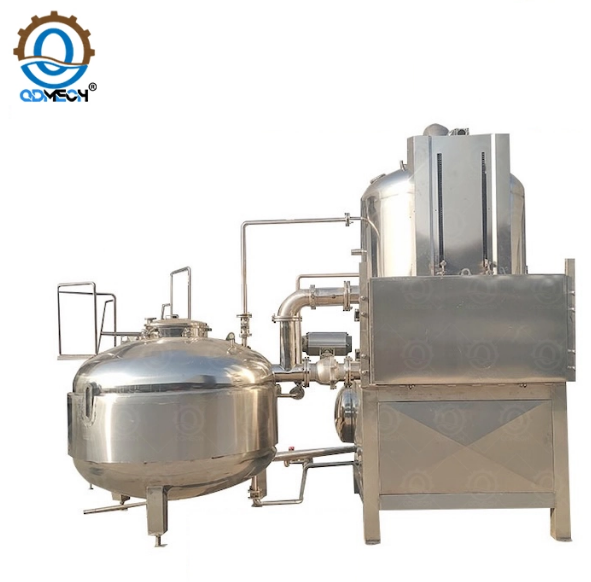
Various frying techniques and equipment are employed in food production, each offering unique advantages and challenges. The choice of technique depends on the product type, desired attributes, and production scale. Understanding these techniques allows manufacturers to tailor their processes for optimal results.
Deep frying is the most common method, involving complete immersion of food in hot oil. This technique is ideal for achieving a uniform crispy texture and is widely used for products like French fries, chicken, and doughnuts. However, it requires precise temperature control to prevent oil degradation and ensure food safety.
Shallow frying uses less oil, with food partially submerged. It is suitable for delicate items like fish fillets and vegetables, offering a balance between frying and sautéing. This method requires frequent turning to ensure even cooking and prevent burning.
Air frying is a modern technique that uses hot air circulation to cook food with minimal oil. It offers a healthier alternative to traditional frying, reducing fat content while maintaining a crispy texture. Although air frying may not replicate the exact flavor of deep frying, it is gaining popularity for health-conscious consumers.
Technological advancements have revolutionized frying in food production, enhancing efficiency, consistency, and safety. Innovations in equipment design, automation, and process control have transformed frying operations, enabling manufacturers to meet the demands of modern consumers.
Automated frying systems streamline the frying process, reducing labor costs and improving product consistency. These systems feature precise temperature control, oil filtration, and continuous monitoring, ensuring optimal frying conditions. By minimizing human intervention, automated systems enhance food safety and reduce the risk of errors.
Energy-efficient frying equipment reduces operational costs and environmental impact. Innovations such as heat recovery systems and improved insulation minimize energy consumption, making frying more sustainable. Manufacturers can achieve significant cost savings while reducing their carbon footprint.
Effective oil management is crucial for maintaining product quality and extending oil life. Advanced filtration systems remove impurities, preventing oil degradation and off-flavors. Regular oil testing and monitoring ensure that oil remains within optimal parameters, enhancing food safety and quality.
Quality control is paramount in frying, as it directly impacts product safety, flavor, and consumer satisfaction. Implementing rigorous quality control measures ensures that fried products meet industry standards and consumer expectations.
Maintaining precise frying temperatures is essential for achieving consistent product quality. Temperature fluctuations can lead to uneven cooking, affecting texture and flavor. Advanced frying equipment features accurate temperature control systems, allowing manufacturers to maintain optimal frying conditions.
Controlling moisture content is critical for achieving the desired texture and shelf life of fried products. Excess moisture can lead to sogginess, while insufficient moisture may result in a dry product. Manufacturers must monitor moisture levels throughout the frying process to ensure product consistency.
Sensory evaluation involves assessing the appearance, aroma, flavor, and texture of fried products. Trained sensory panels provide valuable feedback, guiding manufacturers in refining their processes to meet consumer preferences. Regular sensory evaluations help maintain product quality and drive continuous improvement.
Despite its widespread use, frying presents several challenges that manufacturers must address to ensure product quality and efficiency. Understanding these challenges and implementing effective solutions is key to optimizing frying operations.
Oil degradation is a common issue in frying, leading to off-flavors and reduced product quality. Factors such as high temperatures, moisture, and impurities accelerate oil breakdown. Implementing regular oil filtration and monitoring systems can mitigate degradation, extending oil life and maintaining product quality.
Achieving consistent product quality is challenging due to variations in raw materials, equipment, and environmental conditions. Standardizing processes and implementing robust quality control measures can enhance consistency, ensuring that products meet consumer expectations.
Health concerns related to fried foods, such as high fat content and acrylamide formation, pose challenges for manufacturers. Exploring alternative frying methods, such as air frying, and using healthier oils can address these concerns, catering to health-conscious consumers.
Frying is a critical process in food production, offering unique advantages in flavor, texture, and shelf life. By understanding the science, techniques, and challenges of frying, manufacturers can optimize their operations for consistent quality and efficiency. Advances in frying technology and quality control measures further enhance the potential of frying in modern food production. For more information on how to integrate frying into your Frying production line, explore the resources available at Chanda Machine Co., Ltd.
1. What is the primary purpose of frying in food production?
Frying enhances the flavor, texture, and shelf life of food products by creating a crispy exterior and moist interior.
2. How does oil selection impact frying?
The type of oil affects the flavor, texture, and nutritional profile of fried foods, with oils like canola and peanut oil being preferred for their high smoke points.
3. What are the benefits of automated frying systems?
Automated systems reduce labor costs, improve product consistency, and enhance food safety by minimizing human intervention.
4. How can manufacturers address oil degradation?
Regular oil filtration and monitoring systems can mitigate degradation, extending oil life and maintaining product quality.
5. What are the challenges of achieving product consistency in frying?
Variations in raw materials, equipment, and environmental conditions can affect consistency, but standardizing processes and quality control measures can help.
6. How does air frying differ from traditional frying?
Air frying uses hot air circulation to cook food with minimal oil, offering a healthier alternative to traditional frying.
7. What role does sensory evaluation play in frying?
Sensory evaluation assesses the appearance, aroma, flavor, and texture of fried products, guiding manufacturers in refining their processes to meet consumer preferences.
