


Views: 0 Author: Site Editor Publish Time: 2025-09-23 Origin: Site


The food production line is a critical component in modern food manufacturing, streamlining processes to enhance efficiency and product consistency. With the growing demand for diverse food products, the significance of production lines has never been more pronounced. In this article, we will explore various types of food production lines, including the Production Line, frying production line, instant noodle production line, tofu production line, baguette production line, and chocolate coating line. We will delve into their functionalities, benefits, and the technological advancements driving their evolution.
A food production line is an assembly of machinery and equipment arranged in a sequence to produce food products efficiently. These lines are designed to handle specific tasks such as mixing, cooking, packaging, and more, ensuring a seamless transition from raw materials to finished products. The integration of automation and technology in production lines has revolutionized the food industry, allowing for mass production while maintaining quality standards.
Food production lines can be categorized based on the type of food product they manufacture. Each type of production line is tailored to meet the specific requirements of the product, ensuring optimal performance and output.
The frying production line is widely used in the snack food industry, particularly for products like potato chips, french fries, and other fried snacks. This line typically includes equipment for washing, peeling, slicing, frying, and seasoning. Advanced frying production lines incorporate features such as oil filtration systems and temperature control to ensure product quality and reduce oil consumption.
Instant noodles are a staple in many households, and their production requires a specialized line to handle the unique processes involved. The instant noodle production line includes dough mixing, sheeting, steaming, cutting, frying, and drying. Automation in this line ensures consistent noodle texture and quality, meeting the high demand for this popular product.
Tofu, a versatile plant-based protein, is produced using a dedicated tofu production line. This line involves processes such as soybean soaking, grinding, boiling, coagulating, and pressing. Modern tofu production lines are equipped with automated systems to maintain hygiene standards and improve production efficiency, catering to the growing demand for plant-based foods.
The baguette production line is essential for bakeries aiming to produce large quantities of this iconic French bread. This line includes dough mixing, resting, shaping, proofing, and baking. Advanced baguette production lines offer precise control over each stage, ensuring consistent quality and texture in every loaf.
Chocolate-coated products are a favorite among consumers, and the chocolate coating line is designed to meet this demand. This line includes equipment for melting, tempering, enrobing, and cooling chocolate. The integration of technology in chocolate coating lines allows for precise temperature control and uniform coating, enhancing product appeal and quality.
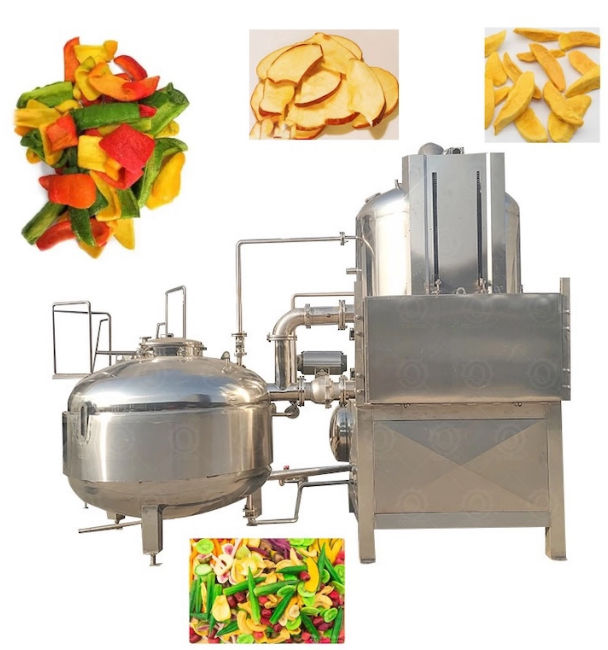
The evolution of technology has significantly impacted food production lines, introducing automation, robotics, and IoT solutions. These advancements have led to increased efficiency, reduced labor costs, and improved product consistency. Automation allows for real-time monitoring and control of production processes, ensuring adherence to quality standards and minimizing waste.
Automation in food production lines involves the use of machinery and control systems to perform tasks with minimal human intervention. Robotics further enhances automation by handling complex tasks such as packaging, sorting, and quality inspection. These technologies not only improve efficiency but also ensure worker safety by reducing exposure to hazardous environments.
The IoT has revolutionized food production lines by enabling connectivity and data exchange between devices. IoT solutions facilitate real-time monitoring of equipment performance, predictive maintenance, and process optimization. This connectivity ensures seamless operation and helps manufacturers respond quickly to any issues, minimizing downtime and enhancing productivity.
Food production lines offer numerous benefits, including increased efficiency, consistency, and scalability. By automating repetitive tasks, production lines reduce labor costs and improve output rates. Consistency in product quality is achieved through precise control over production parameters, ensuring that each batch meets the required standards.
The automation of food production lines leads to significant efficiency gains by streamlining processes and reducing manual labor. This efficiency translates to cost savings, as manufacturers can produce more with fewer resources. Additionally, automated systems minimize waste by optimizing resource usage and reducing errors.
Consistency in product quality is crucial for maintaining brand reputation and customer satisfaction. Food production lines ensure uniformity by precisely controlling production variables such as temperature, time, and ingredient ratios. This control results in products that consistently meet quality standards, enhancing consumer trust and loyalty.
Food production lines are designed to be scalable, allowing manufacturers to increase production capacity as demand grows. This scalability is achieved through modular designs that enable easy integration of additional equipment. Moreover, production lines offer flexibility by accommodating different product types and variations, meeting the diverse needs of the market.
Despite their numerous benefits, food production lines face several challenges. These include high initial investment costs, maintenance requirements, and the need for skilled personnel to operate and manage the equipment. Additionally, manufacturers must navigate regulatory compliance and ensure that their production lines adhere to food safety standards.
The setup of a food production line requires a substantial initial investment in equipment and infrastructure. This cost can be a barrier for small and medium-sized enterprises. Furthermore, regular maintenance is essential to ensure optimal performance and longevity of the equipment, adding to the overall operational costs.
Food production lines must comply with stringent regulatory standards to ensure food safety and quality. Manufacturers need to implement robust quality control systems and conduct regular audits to meet these requirements. Non-compliance can result in legal penalties and damage to brand reputation.
Food production lines are integral to the modern food industry, offering efficiency, consistency, and scalability. Despite the challenges, technological advancements continue to drive innovation, enhancing the capabilities of production lines. As consumer demand for diverse and high-quality food products grows, the role of production lines will become increasingly important. For those interested in exploring the potential of food production lines, understanding their functionalities and benefits is crucial. The Production Line offers a comprehensive solution for manufacturers looking to optimize their operations and meet market demands.
1. What is a food production line?
A food production line is a series of machines and equipment organized to produce food products efficiently, handling tasks like mixing, cooking, and packaging.
2. How does automation benefit food production lines?
Automation enhances efficiency, reduces labor costs, and improves product consistency by streamlining processes and minimizing human intervention.
3. What are the challenges of implementing a food production line?
Challenges include high initial investment costs, maintenance requirements, and ensuring regulatory compliance for food safety.
4. How do food production lines ensure product quality?
Production lines ensure quality by precisely controlling production variables, resulting in consistent and high-quality products.
5. What role does IoT play in food production lines?
IoT facilitates real-time monitoring and control of production processes, enhancing efficiency and minimizing downtime through predictive maintenance.
6. Can food production lines be customized?
Yes, production lines can be customized to meet specific product requirements, ensuring optimal performance and output.
7. What is the future of food production lines?
The future of food production lines lies in continued technological advancements, enhancing automation, efficiency, and flexibility to meet evolving consumer demands.
