


Views: 0 Author: Site Editor Publish Time: 2025-10-14 Origin: Site


The art of crafting the perfect baguette is a cherished tradition in the world of baking. However, the challenge of maintaining its crisp crust and soft interior can be daunting, especially when a baguette becomes stale. Understanding how to soften a baguette is crucial for both home bakers and professionals alike. In this article, we will delve into the science and techniques behind softening a baguette, exploring various methods and their effectiveness. For those interested in the industrial side of baguette production, the Baguette production line offers insights into large-scale baking processes.
Staling is a complex process that involves the recrystallization of starch molecules, leading to a hardening of the bread. This process begins as soon as the baguette cools after baking. The starch molecules in the bread begin to realign and expel moisture, causing the crumb to firm up. Environmental factors such as humidity and temperature can accelerate this process, making it essential to store baguettes properly to maintain their freshness.
Several factors influence the rate at which a baguette stales. The type of flour used, the hydration level of the dough, and the baking time and temperature all play a role. For instance, higher hydration levels can slow down staling by keeping the crumb moist for a longer period. Additionally, the crust's thickness and integrity are crucial in preventing moisture loss, which is why proper baking techniques are essential.
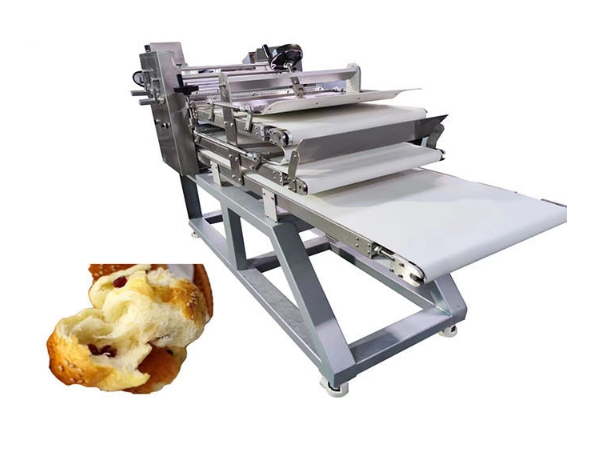
There are several methods to revive a stale baguette, each with varying degrees of effectiveness. The key is to reintroduce moisture into the bread without compromising its texture. Below, we explore some popular techniques used by both home bakers and professionals.
One of the most effective ways to soften a baguette is by using the water and oven method. This involves lightly moistening the crust of the baguette with water, then placing it in a preheated oven at 350°F (175°C) for about 10 minutes. The heat from the oven helps to rehydrate the crumb while crisping up the crust, restoring the baguette to its original texture.
For a quicker solution, the microwave method can be used. Wrap the baguette in a damp paper towel and microwave it on medium power for 10-15 seconds. This method works by steaming the bread, which can soften the crumb. However, caution is advised as microwaving for too long can make the bread chewy.
Steaming is another effective technique to soften a baguette. Place the baguette in a steamer for a few minutes, allowing the steam to penetrate the crust and soften the crumb. This method is gentle and helps to maintain the bread's original flavor and texture.
Prevention is always better than cure, and the same applies to staling. Proper storage techniques can significantly extend the shelf life of a baguette. Wrapping the bread in a cloth or paper bag allows it to breathe while preventing moisture loss. For longer storage, freezing is an excellent option. When ready to use, simply thaw and reheat the baguette using one of the methods mentioned above.
The choice of ingredients can also impact the staling process. Adding fats like butter or oil to the dough can help retain moisture, slowing down staling. Additionally, using sourdough starter instead of commercial yeast can improve the bread's shelf life due to the natural preservatives produced during fermentation.
Softening a baguette requires an understanding of the staling process and the application of effective techniques. Whether using the water and oven method, microwaving, or steaming, the goal is to restore the bread's original texture and flavor. For those interested in large-scale production, exploring the Production Line can provide valuable insights into maintaining quality at scale. By combining proper storage techniques and ingredient choices, bakers can extend the freshness of their baguettes and continue to delight customers with every bite.
1. What causes a baguette to become stale?
The staling of a baguette is primarily due to the recrystallization of starch molecules, which leads to moisture loss and a firmer crumb.
2. How can I prevent my baguette from staling quickly?
Proper storage, such as wrapping in a cloth or paper bag and freezing for long-term storage, can help prevent staling.
3. Is it possible to soften a baguette that has become rock hard?
Yes, using methods like the water and oven method or steaming can effectively soften a hard baguette.
4. Can I use the microwave to soften a baguette?
Yes, wrapping the baguette in a damp paper towel and microwaving for a short time can soften it, but be cautious of over-microwaving.
5. What role do ingredients play in the staling process?
Ingredients like fats and sourdough starter can help retain moisture and slow down the staling process.
6. How does the baguette production line maintain quality?
Industrial production lines use precise control over baking conditions and ingredients to maintain consistent quality and extend shelf life.
7. Are there any industrial solutions for large-scale baguette production?
Yes, exploring the Baguette production line can provide insights into efficient and high-quality large-scale production methods.
