


Views: 0 Author: Site Editor Publish Time: 2025-10-07 Origin: Site


Instant noodles have become a staple food item worldwide due to their convenience, affordability, and versatility. Despite their popularity, many consumers seek ways to enhance the flavor and nutritional value of instant noodles. This article explores various methods to make instant noodles better, incorporating insights from the production line processes and advanced techniques used in the industry. By understanding the intricacies of the Instant noodle production line, we can appreciate the potential for innovation and improvement in this ubiquitous food product.
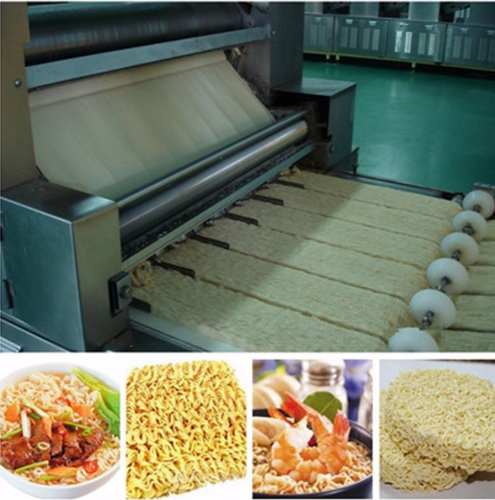
The production of instant noodles involves a series of automated processes designed to ensure consistency, quality, and efficiency. The Automatic Instant noodle production line is a marvel of modern food engineering, capable of producing large quantities of noodles with minimal human intervention. This section delves into the key components of the production line, including mixing, steaming, cutting, frying, and packaging, highlighting how each stage can be optimized to enhance the final product.
The initial stage of the production line involves mixing flour with water and other ingredients to form a dough. This process is critical as it determines the texture and elasticity of the noodles. Advanced mixers equipped with precise control systems ensure that the dough is homogeneous and free of lumps. By experimenting with different types of flour and additives, manufacturers can create noodles with unique textures and flavors.
Once the dough is prepared, it is rolled into sheets and steamed to cook the noodles partially. Steaming is a crucial step that affects the noodles' firmness and chewiness. After steaming, the dough sheets are cut into strands of desired thickness. The cutting process can be adjusted to produce noodles of various shapes and sizes, catering to different culinary preferences.
Frying is a traditional method used to dehydrate noodles, giving them a long shelf life and a distinctive texture. However, health-conscious consumers often seek alternatives to fried noodles. As a result, some manufacturers have adopted air-drying or baking techniques to produce non-fried noodles that retain their flavor and texture while being lower in fat.
The final stage of the production line involves packaging the noodles and conducting quality control checks. Packaging plays a vital role in preserving the noodles' freshness and preventing contamination. Innovative packaging solutions, such as vacuum sealing and modified atmosphere packaging, extend the product's shelf life while maintaining its quality. Rigorous quality control measures ensure that each batch of noodles meets the required standards for safety and taste.
Enhancing instant noodles goes beyond the production line. Consumers can employ various techniques to elevate their noodle dishes at home. This section provides practical tips and creative ideas to transform a simple bowl of instant noodles into a gourmet meal.
Adding fresh ingredients such as vegetables, proteins, and herbs can significantly enhance the nutritional value and flavor of instant noodles. Vegetables like spinach, carrots, and bell peppers not only add color but also provide essential vitamins and minerals. Proteins such as eggs, tofu, or chicken can make the meal more satisfying and balanced.
The broth or sauce is the heart of any noodle dish. Experimenting with different broths, such as miso, chicken, or vegetable, can create a variety of flavor profiles. Adding spices and condiments like soy sauce, sesame oil, or chili paste can further enhance the taste and aroma of the noodles.
Cooking techniques such as stir-frying, baking, or grilling can add a new dimension to instant noodles. Stir-frying noodles with vegetables and proteins creates a delicious and quick stir-fry dish. Baking noodles with cheese and herbs can result in a comforting casserole, while grilling adds a smoky flavor that complements the noodles' texture.
Instant noodles are a versatile and convenient food option that can be easily enhanced through various methods. By understanding the intricacies of the Instant noodle production line and employing creative culinary techniques, consumers can transform a simple meal into a gourmet experience. Whether through the incorporation of fresh ingredients, experimentation with broths, or the use of innovative cooking methods, the possibilities for enhancing instant noodles are endless.
1. What are some healthy alternatives to fried instant noodles?
Non-fried noodles, such as those air-dried or baked, are healthier alternatives. They retain flavor and texture while being lower in fat.
2. How can I make instant noodles more nutritious?
Incorporating fresh vegetables, proteins, and herbs can enhance the nutritional value of instant noodles, providing essential vitamins and minerals.
3. What are some creative ways to cook instant noodles?
Stir-frying, baking, and grilling are creative cooking techniques that can add new flavors and textures to instant noodles.
4. How does the production line affect the quality of instant noodles?
The production line ensures consistency, quality, and efficiency, with each stage optimized to enhance the final product's texture and flavor.
5. What role does packaging play in the quality of instant noodles?
Packaging preserves freshness and prevents contamination, with innovative solutions extending shelf life while maintaining quality.
6. Can I use different broths to enhance the flavor of instant noodles?
Yes, experimenting with broths like miso, chicken, or vegetable can create diverse flavor profiles, enhancing the overall taste.
7. What is the importance of quality control in noodle production?
Quality control ensures that each batch of noodles meets safety and taste standards, maintaining the product's reputation and consumer trust.
