


Views: 0 Author: Site Editor Publish Time: 2026-02-26 Origin: Site


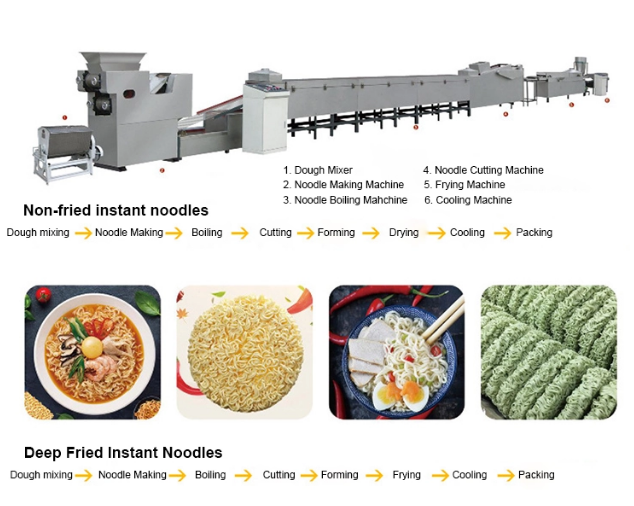
Flour and water cost pennies, but the true cost of making noodles lies in labor. Whether you manage a bustling restaurant kitchen or a serious home setup, the time spent rolling, sheeting, and cutting adds up quickly. The debate over equipment is not simply about choosing between a lazy method and a traditional one. It is a strict calculation of torque versus touch. Buyers often confuse the options, so we must define the three distinct categories. You have manual rollers, which are hand-cranked and clamped to a table. You have motorized rollers, which are essentially manual bodies with a detachable motor. Finally, you have electric extruders, which mix and push dough through dies.
This guide evaluates each tool based on critical metrics. We look at dough hydration capabilities, production volume per hour, and long-term asset value. You will learn how to match the machine to your specific dough density and workflow requirements. Choosing the right noodle making machine ensures you maximize ROI rather than just adding another gadget to your shelf.
The "Third Hand" Rule: If you are a solo operator, electric rollers are essential to manipulate the dough sheet with both hands while the machine runs.
Hydration Limits: Manual machines and entry-level electrics fail with low-hydration (<35%) commercial ramen doughs; high-torque commercial gear is required.
Volume Threshold: Transition from manual to electric becomes mandatory at >2kg production per batch to maintain consistent dough density.
The Texture Trade-off: Use Rollers (Manual/Electric) for laminated sheets (Wontons, Lasagna); use Extruders for shapes (Macaroni, Spaghetti).
Texture is the primary product of your machine. The method of formation changes the internal structure of the dough. Understanding the difference between rolling and extrusion is vital for your menu.
Rolling machines, whether manual or motorized, rely on lamination. You pass the dough through steel cylinders repeatedly. This process folds the dough and aligns the gluten networks in a single direction. The result is a noodle with a snappy, chewy bite, ideal for ramen, wontons, and lasagna. This texture is difficult to replicate with other methods.
Extrusion works differently. A dedicated electric machine pushes dough under high pressure through a shaped die. This does not align gluten in sheets. Instead, it compresses the dough into a dense shape. Extrusion creates a rough surface texture. This surface grabs onto sauces effectively, but the bite is denser than a rolled noodle. This method is exclusive to electric extruders.
Heat management is a critical failure point in lower-quality electric extruders. When an electric motor pushes dry dough through a small hole, it generates significant friction. This friction creates heat.
If the machine lacks proper cooling or sufficient torque, the chamber heats up. This heat partially cooks the dough before it exits the die. The gluten structure breaks down, resulting in a gummy texture that mushy when boiled. You must monitor the temperature of the extrusion chamber carefully.
If you choose an extruder, the material of the die affects the final product.
Bronze Dies: These create a rough, porous surface on the pasta. It looks artisanal and holds sauce beautifully. However, friction is higher, so output is slower.
Teflon/Plastic Dies: These create a smooth, slick surface. The dough slides through quickly, increasing output speed. The texture resembles standard supermarket dry pasta.
| Feature | Manual / Motorized Roller | Electric Extruder |
|---|---|---|
| Formation Method | Lamination (Folding & Rolling) | High-Pressure Extrusion |
| Gluten Structure | Aligned (Snappy, Chewy) | Compressed (Dense, Uniform) |
| Surface Texture | Smooth to Silky | Rough (Bronze) or Smooth (Teflon) |
| Best For | Ramen, Lasagna, Ravioli | Spaghetti, Macaroni, Penne |
The physical act of making noodles changes drastically between manual and electric setups. When comparing a manual vs electric pasta maker, consider the ergonomics of your workspace.
Manual machines require a secure anchor. They typically use a C-clamp to attach to a countertop. This creates an often-overlooked dealbreaker. Modern kitchens frequently feature thick granite countertops or rounded edges. Standard clamps often cannot grip these surfaces securely. If the machine wobbles, you cannot crank effectively.
Furthermore, manual machines present a "solo operator issue." One hand must crank the handle. The other hand must feed the dough into the rollers. This leaves zero hands available to catch the thinning sheet as it exits. The dough piles up or stretches, leading to tearing.
Electric rollers solve the "Third Hand" problem. With the motor handling the rotation, you have two hands free. You can guide the dough in with one hand and catch it with the other. This is essential for thin sheets like dumpling skins or ravioli, which tear easily.
Electric motors also provide consistent velocity. Manual cranking is rarely uniform; you slow down as you tire. This leads to "speed wobbles" in the dough, causing uneven thickness. An electric motor maintains a constant RPM, ensuring the first foot of your noodle sheet is the exact same thickness as the last.
Your recipe dictates your equipment. The water content of your dough, known as hydration, determines how much force is required to process it.
High hydration doughs, such as those for Tagliatelle, are soft and pliable. They usually contain over 35% water relative to flour weight. Manual machines handle these easily. The dough offers little resistance.
Low hydration doughs, like authentic Hakata-style ramen or Udon, are different. They are incredibly hard and dense. They require immense pressure to bind the flour particles together.
This is where the equipment divide widens. Manual machines are limited by human arm strength and the machine's shear pin. If you force a dry, tough ramen dough through a manual roller, you risk snapping the handle or stripping the internal gears.
Electric machines rely on torque. However, not all motors are equal. A standard consumer-grade unit often lacks the power for low-water content recipes. To handle heavy, dry doughs consistently, you need high-torque commercial specifications. If your goal is authentic ramen production, the best electric pasta maker for your needs is likely a semi-industrial unit rather than a kitchen appliance, as consumer models will burn out under the stress.
Scaling up production changes the math. You must move beyond the initial purchase price and look at operational efficiency. In a business context, reliability is currency.
Many owners believe they save money by using manual labor. This is the "Human Motor" fallacy. Calculate the cost of paying a skilled chef to hand-crank pasta for two hours. Compare this to the cost of a chef monitoring an automated batch while prepping sauces. The machine pays for itself by freeing up skilled labor.
Consistency also drives ROI. A machine produces identical thickness every single shift. A human operator gets tired. Their rolling becomes uneven as the shift progresses. Inconsistent noodles lead to inconsistent cooking times, which upsets customers.
Use these volume benchmarks to guide your purchase:
< 2kg per hour: A manual machine is acceptable. This suits "Chef's Special" limited runs or home use.
5kg - 10kg per hour: This volume requires motorized rollers or small extruders. Manual cranking is not sustainable here.
> 20kg per hour: You are entering industrial territory. This level requires specialized bakery pastry equipment or noodle lines with dedicated cooling systems.
Inspect the internal components. Consumer gadgets often use plastic gears. These strip under the load of daily commercial use. Commercial equipment uses hardened metal gears. Also, consider serviceability. Can you disassemble the machine for deep cleaning? If not, flour dust will eventually find its way into the motor lubricant, causing it to seize.
Cleaning is the unglamorous part of noodle making. It takes time, and time is money. The maintenance requirements differ vastly between machine types.
Water is the enemy of pasta machines. You should never submerge a standard roller in water. Water causes rust in the bearings. Worse, it turns leftover flour dust into a gummy paste that creates bacteria traps in the crevices.
Manual and electric rollers are generally easy to clean. You simply wipe the smooth surfaces with a dry cloth. Brushes remove dry flour easily.
Electric extruders present a challenge. The mixing chambers and dies trap dough. The expert tip here is the "Dry and Knock" method. Do not try to scrub wet dough out of a bronze die. It will just smear. Instead, let the dough residue harden for 2 to 4 hours. Once brittle, you can knock it out or pick it out cleanly. This counter-intuitive approach saves hours of scrubbing.
For B2B buyers, hygiene certification is mandatory. Look for NSF certification or food-grade stainless steel (304 grade). Consumer models often use chrome-plated aluminum. Over time, plating can flake off into the food. Stainless steel allows for sanitization without corrosion, meeting strict health department codes.
Select your machine based on your specific operational profile. Do not buy based on features you will not use.
Best Fit: High-end Manual Machine.
Why: You value ultimate tactile control. You work with high-hydration doughs that roll easily. You have zero tolerance for heat generation affecting your dough. The lower cost allows you to invest in better ingredients.
Best Fit: Stand Mixer Attachment or Motorized Roller.
Why: This solves the "Third Hand" problem. You do not need a permanent spot on the counter for a clamp. It provides enough power for family-sized batches without the fatigue of cranking.
Best Fit: Dedicated Commercial Electric Extruder.
Why: Speed is your priority. You need the sauce-clinging texture of bronze dies. You need to reduce labor costs by automating the formation process. The machine must run for an hour without overheating.
The choice between manual and electric machines is a trade-off between control and consistency. Manual machines offer romance and tactile feedback for soft doughs. Electric machines offer the torque required for hard, low-hydration noodles and the volume needed for business.
If you prioritize lasagna or ravioli sheets and have a compatible countertop, a manual machine is a durable choice. If you prioritize ramen textures, specific extruded shapes, or independence from countertop clamps, electric is superior. Assess your weekly production volume and dough hardness before you make the investment.
A: Generally, no. Ramen dough has very low hydration (often 35% or less), making it extremely hard. Processing this through a manual machine requires excessive physical force that can break the handle or strip the gears. Manual machines work best with softer, egg-based doughs. For ramen, a high-torque electric machine is recommended.
A: It depends on your setup time. Electric extruders require assembly and significant cleaning time. If you only make pasta once a month for two people, the setup and cleaning time may exceed the time saved on rolling. For infrequent small batches, a manual roller is often more efficient.
A: Heat comes from friction. As the motor pushes dense dough through small die holes, resistance generates heat. If the motor is underpowered or the machine lacks cooling, this heat transfers to the dough. It is vital to take breaks during production to prevent the machine from "pre-cooking" your noodles.
A: No. Never put a pasta machine in the dishwasher. The water and detergent will rust the internal steel bearings and strip away necessary lubrication. Additionally, wet flour turns into glue inside the mechanisms, which can permanently seize the machine. Always clean by wiping dry.
A: A roller flattens dough into sheets (lamination), which are then cut into strips like fettuccine. This aligns gluten for a chewy texture. An extruder forces dough through a shaped hole (die) to create shapes like macaroni or spaghetti. Extruders create a rougher surface but a denser bite.
